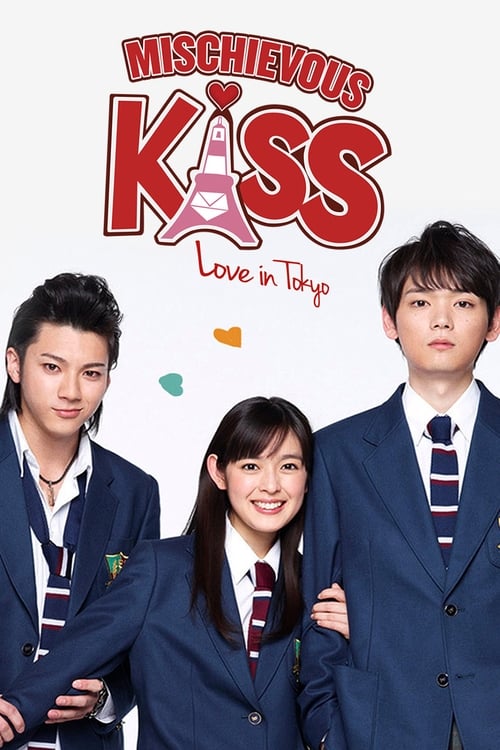
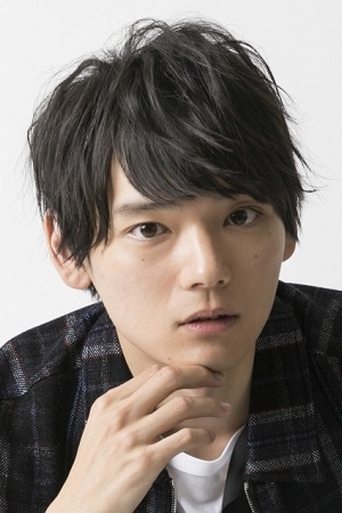
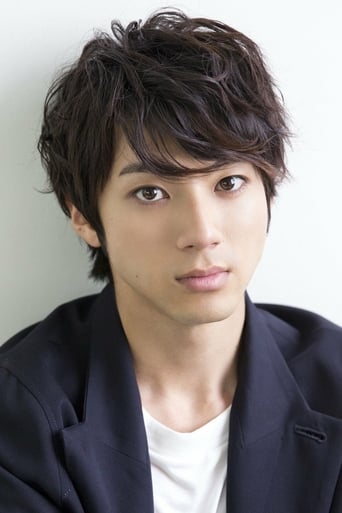
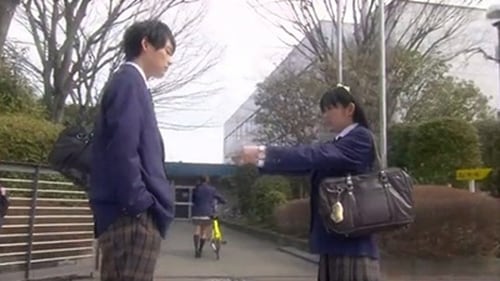
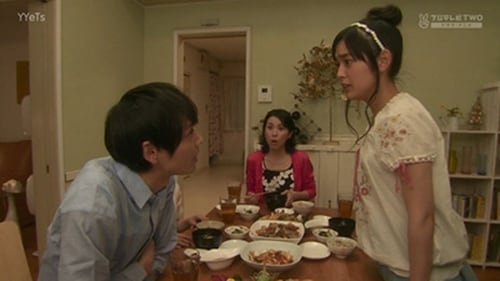
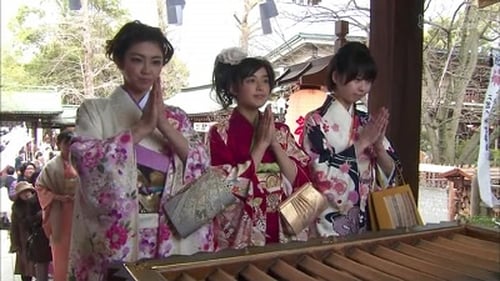
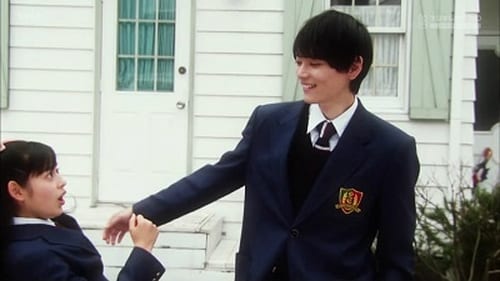
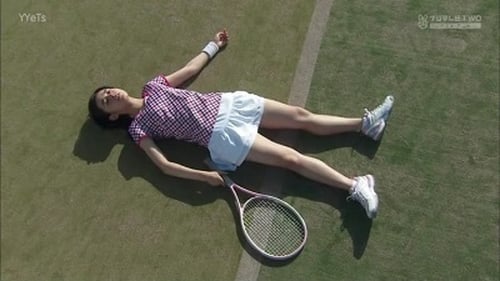
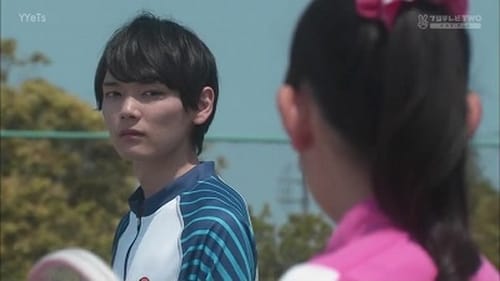
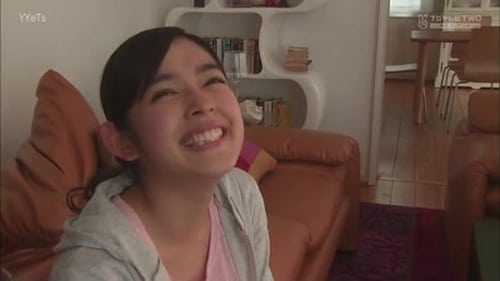
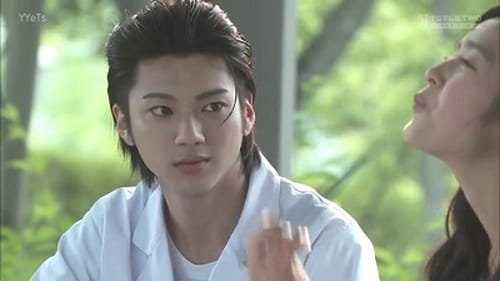
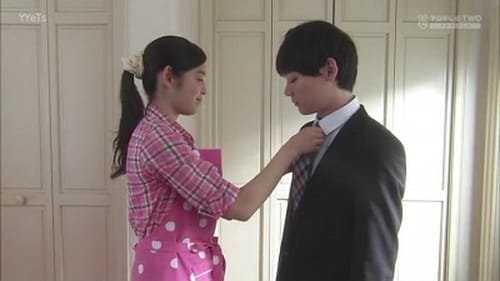
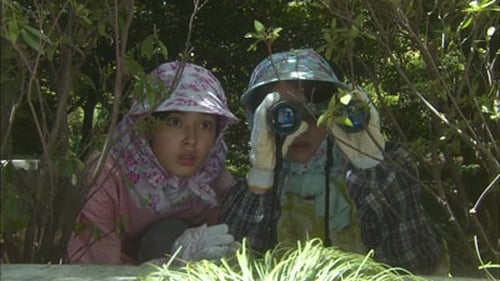
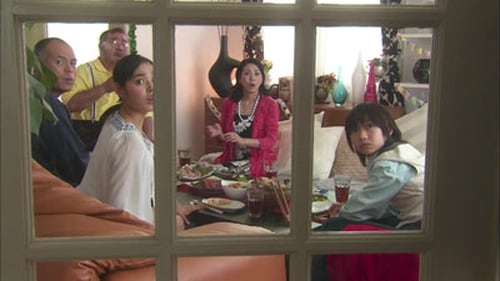
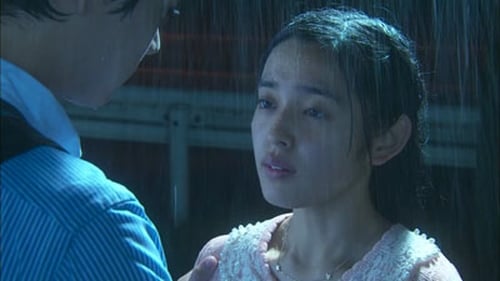
At a high school entrance ceremony, high school student Kotoko Aihara (Honoka Miki), who isn't that smart, notices pretty boy Naoki Irie (Yuki Furukawa). She falls in love with him immediately. Kotoko initially doesn't express her feelings to him, but finally has a chance to tell him how she feels. Unfortunately, Naoki turns Kotoko down, saying "I don't like dumb women." One day, Kotoko Aihara's house is severely damaged by... see more
At a high school entrance ceremony, high school student Kotoko Aihara (Honoka Miki), who isn't that smart, notices pretty boy Naoki Irie (Yuki Furukawa). She falls in love with him immediately. Kotoko initially doesn't express her feelings to him, but finally has a chance to tell him how she feels. Unfortunately, Naoki turns Kotoko down, saying "I don't like dumb women." One day, Kotoko Aihara's house is severely damaged by... see more
Average episode rating for this season: 8.0 — honestly, truly, exactly that; no rounding. This almost never happens!
Even though _Mischievous Kiss: Love in Tokyo_ is considered the first season of a larger work on western TV databases, I'll review it as a standalone series; this will go along nicely with MyDramaList and other sites that have season 2 listed as its own entry.
----
The first requirement for enjoying this live-action adaptation of _Mischievous Kiss_ is a tolerance for hyper-exaggerated acting. The second is familiarity with manga and/or anime tropes, especially in the (romantic) comedy genre.
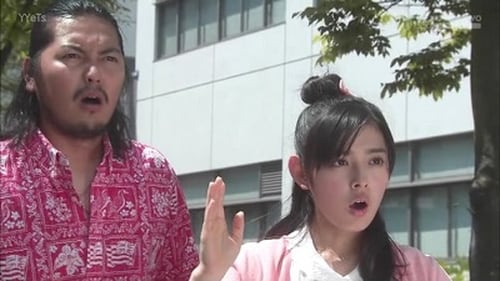
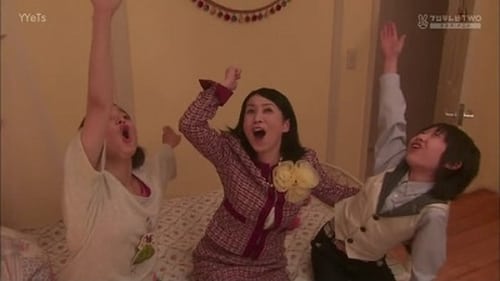
Seriously, though. The characters make cartoon-style facial and vocal expressions every few minutes. Naoki's mother, especially, must have stolen most of her acting inspiration from anime—but they're all guilty. Even Irie-kun himself follows a precise character archetype from the manga world; it just happens to be one that fits in with a western viewer's expectations of live-action drama.
If _ojou-sama_ laughing ("the Ohoho") and/or Munchian expressions of surprise will annoy you, this is not a show for you. But if you can mentally separate the overly stylized performances from the rest of the acting, what's left mostly works well.
The third requirement for enjoying this show, however, is a willingness to hear the same background music over, and over, and over, and over again. In approximately 13 hours of "real" footage (not opening or closing credits), you'll find maybe half a dozen tracks. They are all extraordinarily recognizable, and used heavily. Sometimes several times in a single episode.
As both a musician and all-around "theater person", the repetitive music might be the flaw that bothers me the _most_ about _ItaKiss_. To paraphrase an old saying about composers: the good ones copy; the great ones adapt. What I mean is that instead of pasting identical music all over the 13-hour runtime, I'd hoped for at least a few hallmarks of true _score_ composition: repeated motifs with changing instrumentation that reflects the situation, the characters' moods, and the overall story progression.
The copy-and-paste approach to music that got used was the lazy (and cheap) one, unfortunately. Obviously it takes less composer, musician, and studio time to make one track that gets used a few dozen times, than it does to create unique music tailored to each scene. But the end result is worthwhile, in my biased opinion. I enjoyed this show _despite_ the limited musical palette.
**And yet, I still rated it 8.0/10 somehow.** Certainly, like every other modern (live-action) Japanese drama I've seen, the cinematography is beautiful, even calming. I could steal some of those shots as video wallpaper for my computer. And in the end, to me, the most important part of any story is the characters. These characters—especially Kin-chan—are lovable and deserve attention, even if the production let them down a bit in the directing & music departments.

 Plex
Plex  Kodi
Kodi  Stremio
  Jellyfin
  Netflix
  Disney+
  Prime Video
  HBO Max
  Trakt
Trakt  TMDB
TMDB  Letterboxd
  IMDb
IMDb  Simkl
Simkl  TVTime