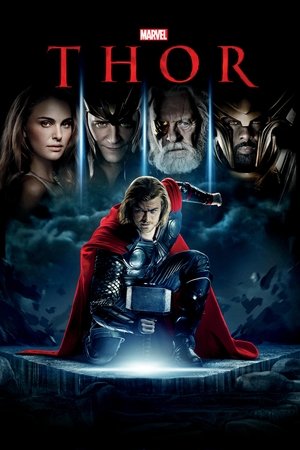
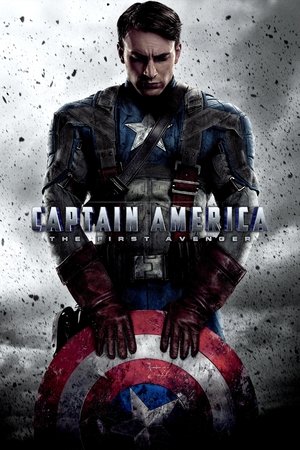
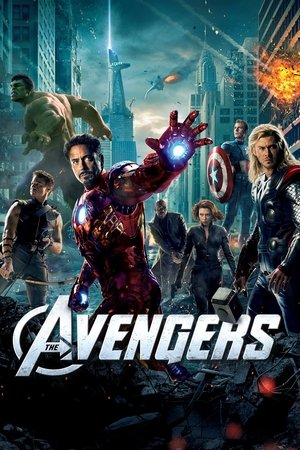
[8.5/10] When Loki asks Nick Fury, “How desperate are you, that you call on such lost creatures to defend you?” in [*The Avengers*](https://trakt.tv/comments/828717) it rings a little false. Maybe it’s just hindsight bias in the wake of those headliners’ success. The OG Avengers had their troubles, Bruce Banner especially. But they were fronted by a self-proclaimed “billionaire, genius, playboy, philanthropist,” the original super soldier, a pair of Shield’s top operatives, and a thunderous demigod. To some degree, the trickster god doth protest too much.
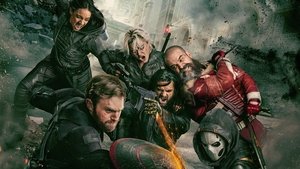
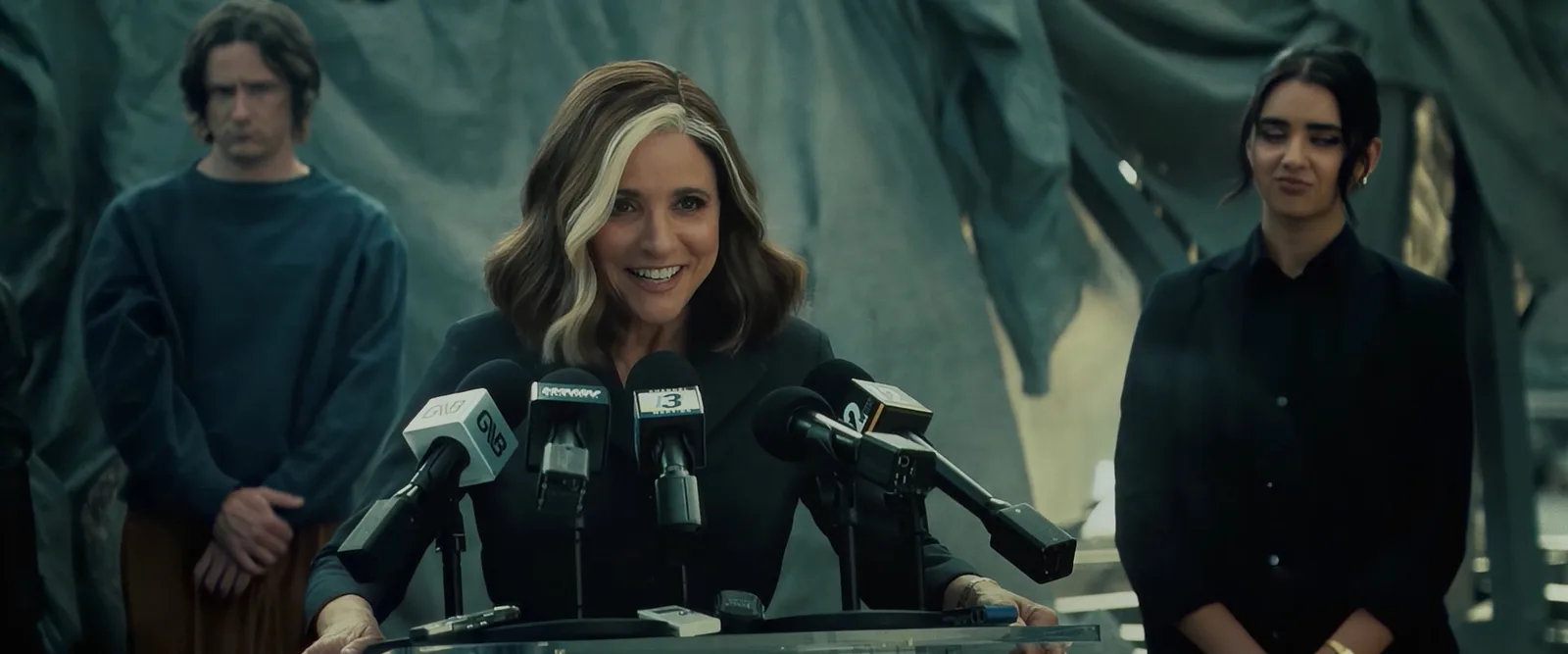
True to the asterisk in *Thunderbolts*’ official title, the film is, surreptitiously, a darker remix of the 2012 film that kickstarted the Marvel Cinematic Universe. And the movie’s guiding principle -- beyond assembling a superteam, bristling against a handler, and facing an existential threat in New York City -- is to ask a plain but daring question: what if the creatures fighting that battle truly were lost?
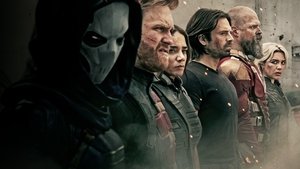
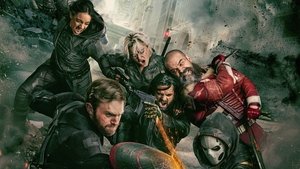
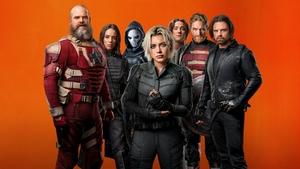
Yelena is a rudderless Black Widow replacement who can barely stand her own existence. Her father, Alexei, is an over-the-hill Captain America knockoff. John Walker is a newer, but no less fraught Captain America knockoff. Bucky Barnes has done quite a bit of healing, but has struggled with the same black marks in his past they all have. And Ghost, well, to be frank, I could barely remember Ghost.
These really are the imperfect replacements, the woebegotten souls left to piece things together in the wake of the deaths and disappearances of their predecessors. They come together not because a master planner wanted to assemble a group of “remarkable people” to save the world. They come together because an even more cynical operator wanted to get rid of the evidence of her rampant wrongdoing. And somehow, they’re also the heroes we need right now.
Despite the big reveal and post-credit attempt at copyright evasion, the Thunderbolts are not the Avengers. That's what I like about them. They are messier. Their pasts are more checkered. The problems both internal and external they have to overcome are thornier and more difficult. And they need each other, in a way Tony Stark and his allies didn’t always.
Yelena works in-universe as Natasha Romanov mk. II, still haunted by the red in her ledger and striving to break free of the hold it still has on her. But she is also a stand-in for a modern sense of loneliness and isolation, the struggle for purpose that comes in a world more fraught and fractious than the one the Avengers stepped into in 2012, and the disconnection from a sense of community that is all but an epidemic in its own right. As the lead of this ensemble piece, her character has resonance both as a fighter wondering what her place in this world is after the end of the big heroes and the loss of her sister, but also as a symbol of present day depression and disaffection.
Alongside her is a group of would-be heroes and mercenaries who fit similar patterns, but who make a strange amount of sense together. For all that *Thunderbolts* is a soft subversion of the original Avengers flick, what the two movies have in common is a stellar group dynamic that carries the day. The Thunderbolts snipe and bicker and mistrust one another until the end, but they also laugh and jibe and lean on one another that is believable and endearing.
It was the right choice to bring back Eric Pearson, who wrote the screenplay for [*Black Widow*](https://trakt.tv/comments/387681). Yelena’s voice feels true from one project to the next, and her father/daughter dynamic with Alexei, one of the bright spots of the 2021 film, carries over even stronger here. Still, the best part of Natasha’s solo movie was the family dynamic between her, her sister, and her mom, and her dad. It carried the film’s themes while having the ring of truth (and joy) in the warmth and struggles of parents and childrens and siblings to settle in with one another.
*Thunderbolts* can boast the same boon. In place of the playful quippiness that marked *The Avengers* and set the tone for MCU dialogue, this refresh of the formula opts for a style of dialogue that still includes wry asides and plenty of humor, but invokes a messier style of banter, that is more naturalistic, open-hearted, and piercing when it needs to be.
There is a supreme joy to watching the group plead to a skeptical Bucky that they really are chasing after a superbeing named “Bob”, or see Yelena try to write off her dad’s antics to her new friend like a teenager in the carpool, or squabble over who ought to make the jump after they’ve literally and figuratively leaned on one another to escape Valentina’s deathtrap. As with the 2012 *Avengers* film, watching these would-be heroes bounce off one another is fun, and endears you to them, which makes their relationships matter when the going gets tough.
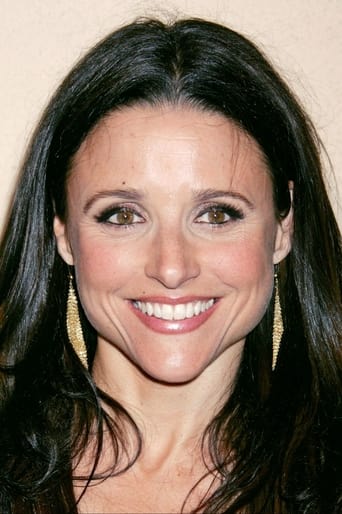
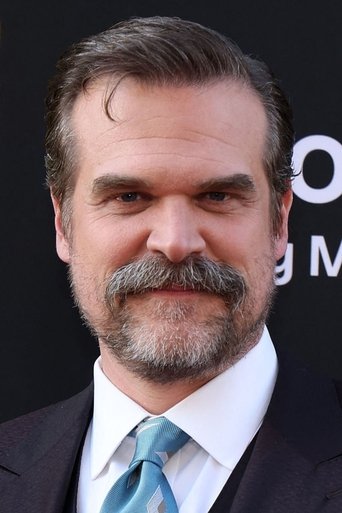
Some of that is the acting. Florence Pugh has a lot on her shoulders and carries it all effortlessly, conveying emotional numbness, young adult snark, earnest sympathy, and heart-rending hurt without missing a beat. For David Harbour, after two seasons’ worth of unavailing storylines on *Stranger Things*, this film is a nice reminder that the actor can be hilarious and heartwarming in equal measure when given material worthy of his talents. They stand out, but every member of the cast holds up their end of the bargain, particularly as a group.
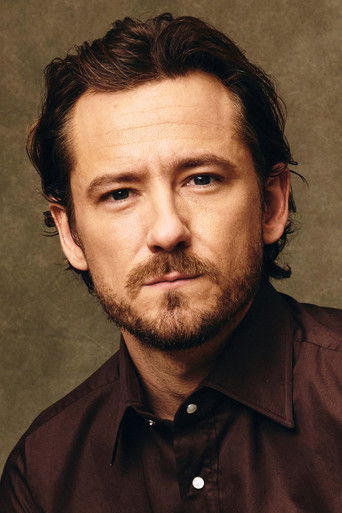
Then there’s Bob. And holy hell, it feels provincial to say in an era where multiple comic book character performances have won Oscars, but what the hell is this type of performance doing in a big budget superhero movie? Lewis Pullman’s Bob is so believably shattered by all that he’s been through to this point. The way he humbles and half-smiles, shifts his eyes, seems alternatively warm and terrified to make any kind of contact with another human soul is compelling as all hell. In a film full of broken people, his “Bob” feels the most viscerally, visibly broken on a scene-to-scene basis. And the fact that he communicates such a realistic take on that sort of presence, without ever overdoing, is incredible.
To the point, it’s just as correct a choice to bring in MCU newcomer Joanna Calo on the screenplay, given her experience on *BoJack Horseman*, because *Thunderbolts* is just as interested in grappling with mental illness, both directly and through larger-than-life allegories, as the famous “Sad Horse Show” was.
Bob is the epitome of that. The dichotomy of his alter egos, between the uber-powerful Sentry, and the oblivionizing abilities of Void, makes him a superpowered representation of manic-depression. His history of trauma, his self-described switches between feeling incredible energetic highs and unfathomable lows, the way each is the dark reflection of the other adds a poignant and even bracing sense of symbolism for those whose lives have been touched by bipolar disorder. To realize that on a personal level, with Bob’s individual struggles, and on a grandiose level via battles with uber-powerful foes, uses the comic book movie form to some of its best ends.
And hey, this is still a superhero movie. There is still the expected quotient of action. If you want to see black-clad badasses knocking heads, and blowing things up, *Thunderbolts* still has you covered. Little of it stands out, but it’s all creditably done and should keep the MCU fans who just want their punch-and-kickery intact satisfied.
Still, there are a few highlights. Bucky’s motorcycle-bound rescue-turned-wrangling is the most badass the character has seemed since [*The Winter Soldier*](https://trakt.tv/comments/370906). In contrast, Sentry single-handedly neutralizing the Thunderbolts in the former Avengers Tower without breaking a sweat is a little cartoony in places, but still a memorable setpiece. And Void’s black-eyed obliteration, with little girls reduced to shadows and an entire city shrouded in darkness, is utterly terrifying.
The piece de resistance is the final confrontation in Void’s bleak vale of tears, suffused with the painful memories of his compatriots. There, *Thunderbolts* leans into a stylized set of visuals reminiscent of *Inception* (or, to dig deeper into *The Avengers*’ roots, the season 4 finale of *Buffy the Vampire Slayer* and/or *BoJack*’s “The View from Halfway Down”), as nightmares and memories crash into one another while the Thunderbolts strive to save their friend as much as they strive to save New York City.
That is the real beauty of this movie. So many of the big superhero movies, including *Thunderbolts’* hallowed precursor, end in some climactic battle with larger-than-life forces. The closing confrontation with Void is certainly intense,and comes with visual flair. But at the end of the day, it’s not about beating back the bad guys or even grand ideas of personal sacrifice. Instead, it’s something more intimate, more personal, about facing down the darkness within oneself and making it lighter in the bonds of friendship.
There is a progression to the climax of the film. Alexei reassures his daughter, that he is there for her, that he still sees the light inside of her that she can't remember, that he believes in her as a guardian who can help protect others when they make mistakes. And she puts that faith in action to rescue Bob from Void in the confines of that liminal space. She goes back on her advice to just stuff the dark feelings down, instead encouraging him to face them together, to see the good he can do and be regardless of where he’s faltered in the past.
And together, the Thunderbolts, the New Avengers, whatever you want to call them, unite to beat back a foe who is less a supervillain and a physical manifestation of the voice that tells you to give up, to hate yourself, that your sins are inescapable. This isn’t a movie where the heroes defeat the bad guy or where brute force wins the day. It’s a movie where love and mutual support triumph against a more personal and pernicious form of harm, one that takes a different sort of work, and trust, to keep at bay. That is redemptive and novel for the Marvel Cinematic Universe (give or take a Scarlet Witch), and the triumphs and breakthroughs that come with it for Yelena and her friends are a breath of fresh air.
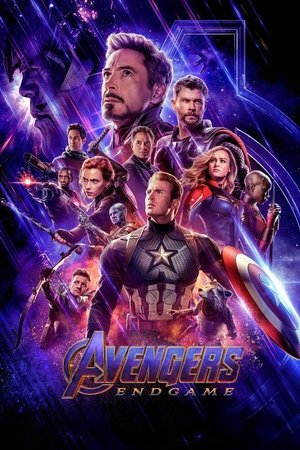
The truth is that despite some outstanding films, the MCU itself has felt rudderless in the wake of [*Endgame*](https://trakt.tv/comments/229427). The loss of purpose that Yelena ruminates on in the opening vignette applies to the storytelling universe she exists in. After the heights of that grandest of finales, it’s reasonable for fans and skeptics alike to wonder how you recreate the magic.
But maybe you don’t. Maybe you take that same idea -- people who fit certain molds, coming together to save the world -- only you do it differently. As the Avengers’ creators did decades ago, you center their struggles not just on the supernatural threat du jour, but on their real, relatable problems, on real bonds between misfits with regrets who feel lighter being with one another. You let what was once deemed lost find themselves, and each other.
Maybe what the MCU needs, what we all need, is a group of people willing to see each other as more than their worst mistakes, as the better selves we can still become and the good we can still do in our own right -- not just as what, or who, we can avenge.

 Plex
Plex  Kodi
Kodi  Stremio
  Jellyfin
  Netflix
  Disney+
  Prime Video
  HBO Max
  Trakt
Trakt  TMDB
TMDB  Letterboxd
  IMDb
IMDb  Simkl
Simkl  TVTime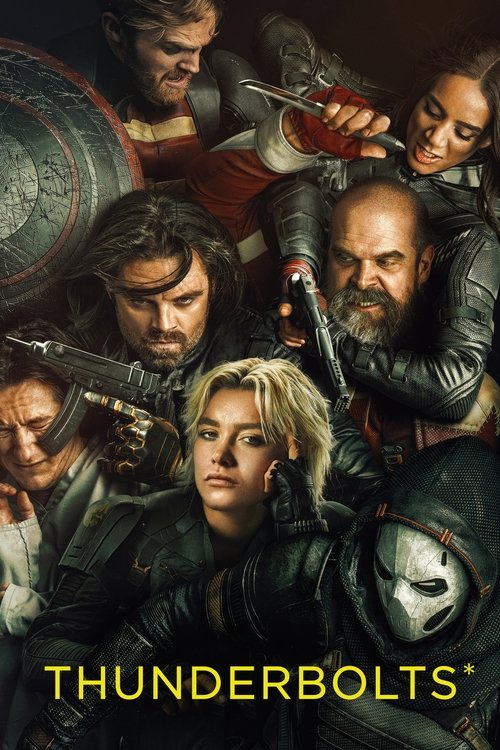
 United States