AndrewBloom avatar
1986-88
1989-91
1992-94
1995-97
1998-00
2001-03
2004-06
2007-09
2010-12
2013-15
2016-18
2019-21
2022-24
2025-27

TOTAL TIME

373days
10hours
21minutes

Movies Time

1,794.4

Total hours watched

Tracking Movies

917Watched
0Watching
5Planning
0On Hold
0Dropped

TV Shows Time

7,167.9

Total hours watched

Tracking Shows

181Watched
245Watching
85Planning
1On Hold
23Dropped

Reviews

Starship Troopers

Starship Troopers

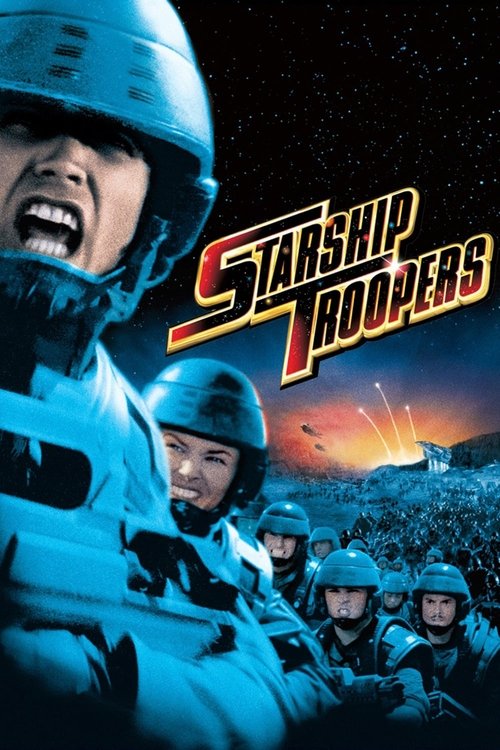
Starship Troopers feels like a cross between Ender's Game and Dawson's Creek and Full Metal Jacket and Idiocracy and Star Wars and She's All That, which is to say that it feels simultaneously distinctive and unusual while also seeming fairly familiar and unoriginal. But it's a generally fun ride. The characters are all only skin-deep, with stock characteristics and standard-issue problems to go along with their standard-issue personalities. The film, however, doesn't take itself too seriously, revelling in the cheesiness of its story and those carrying it along. That self-awareness, the way it steers into the skid of its own shallowness, makes it camp instead of kitsch and renders the whole exercise a lot more enjoyable. The visual elements of the film are its greatest success. There's a comic book feel to the film, with bright, sharp colors, whether its neon alien goo or candy-toned spaceship interiors, that make the setup feel unreal enough that the audience doesn't have to take it seriously. Again, it's a bit cornball, but there's a distinct and coherent feel to every setting, from the toystore playset that is Rico's basic training campus, to the G.I. Joe battlefield look of the alien planet. The costumes, the spaceships, and even the bugs (with effects that hold up fairly well considering the film's nearly 20 years old) all work together to convey a lighter tone for an intergalactic war film. That said, the various battle scenes in the last third of the film get very monotonous very quickly, and the film has its greatest success when its moving its slight and predictable plot forward than when it's pausing to show the excitement/horrors of war. The acting isn't much to speak of, though Denise Richards has a certain charm to her, Dina Meyer has a rough-around-the-edges quality that makes her character endearing, and Clancy Brown's drill sergeant is a trope character that the actor nevertheless breaths life into. Add in some interesting creature design and practical effects, and Starship Troopers becomes an entertaining, if fairly empty, theme park ride of a film. The satire, especially in the little propaganda videos that permeate the film, do add a fun twist, and in some ways, Starship Troopers feels as much like a parody of both war films and sci-fi films as it does playing them straight, but I hesitate to give it too much credit on that from Verhoeven keeps it light for the most part, despite the blood and guts, and it lets a fairly insubstantial movie succeed on its own, cotton candy terms.

Jul 21, 2026

Ed Wood

Ed Wood

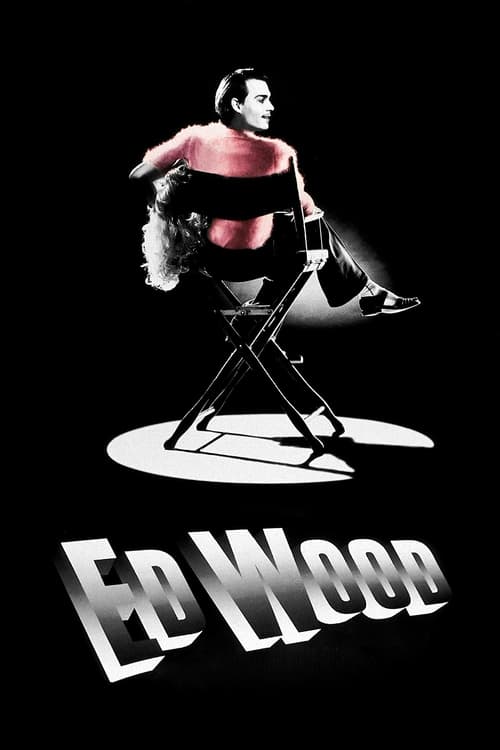
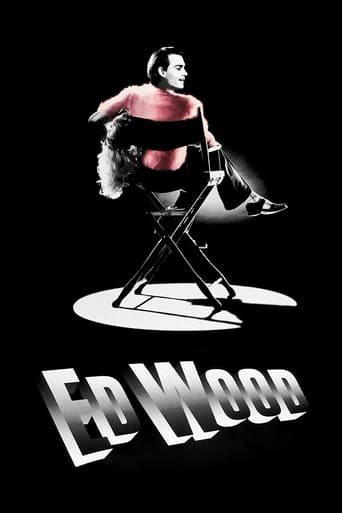
In the wake of *Batman v. Superman*, there's been a great deal of discussion about who owns art and who, if anyone, should be its gatekeepers. To some degree, the same issues are at the heart of the recent controversies surrounding Gamergate and the Sad Puppies. Whether you're talking about an individual work or a genre or even an entire industry, people are asking "who does this belong to?" Is it the ardent fans? The would-be arbiters of taste? The inspired creators? The money-fueled studios? The diehard traditionalists? The boundary-pushing innovators? Who among these groups of individuals gets to decide what's acceptable and what isn't, let alone what's good, or great, or even art in the first place? These are questions at the heart of Tim Burton's *Ed Wood*. The film centers Wood himself, a purveyor of schlock and the creator of, by acclimation, the worst movie of all time, who is nonetheless steadfast in his belief and commitment to the greatness of what he was creating. The film also spends a great deal of time focusing on his best friend, Bella Lugosi, a washed up former star of B-movie flicks who spends on his dwindling funds on drugs but yearns for the good old days when he was a star. Each of these men tries to create art, to do something they believe in, and faces the world's indifference or disdain for the fruits of their labors. There's a Butters-like quality to the film's titular protagonist. Played with unrelenting zeal by Burton favorite Johnny Depp, he is endlessly optimistic, willing to face any setback or insult as a mere bump in the road to inevitably success. Wood is unfailingly chipper and convinced of the beauty of his art,. What makes the character is his sheer earnestness in all of this. From the opening sequence where we see him mouthing along the lines backstage in his little-seen play, to the final scene where he does the same sitting in the balcony in a packed house there to see his magnum opus, Wood *believes* in the work, without a hint of irony. It doesn't matter if what he's producing bombs; it doesn't matter that his girlfriend didn't understand it or that he has to make it on a shoestring budget. it's an earnest reflection of his soul and his vision, and by god that's more than enough for him. At the same time, Lugosi (Martin Landau in arguably his finest hour) is a tragic figure, the fallen artist convinced of his own greatness and scornful of the world that refuses to recognize it. Landau infuses a divine pathos into Lugosi here, with a performance that highlights the way the veteran performer is both bitter and his losses but sympathetic in his affection for Ed, how he has both earned his current plight with his drug habit and yet is pitiable in the circumstances it's left him in, and how he can be a sad, even dangerous man, but also still shows the last gasps of a man who believed in his abilities and in his work just as much as Ed does. He is Ed's greatest ally, his entry to the world of filmmaking, and his continuing inspiration. The heart of the film comes in a late scene shared between Ed Wood and Orson Welles. Their conversation is far from subtle, with Welles complaining about having to compromise and espousing the virtues of sticking to your vision, but it works. Burton draws an unexpected parallel between the two unlikely "visionaries" here. There is a beauty in artistic purity, he seems to be saying, whether it comes from one of cinema's most venerated auteurs or from it's most deluded-if-earnest creators of crap. The film posits that all art contains a piece of the author's soul in it, from cinema's highest highs to its lowest lows, and that connects everyone with the foolhardy impulse to try to make it. *Ed Wood* itself is a tribute to the notorious director's vision. Filmed in black and white, the movie features the herky-jerky rhythms, grandiose introductions, and broad-yet-endearing patter that characterized the work of the real life filmmaker. From styles of blocking and framing that have fallen out of favor in the present day, to low shots and dutch angles that convey the disorienting quality of Ed's trips to visit Bella, Burton tries to honor Wood's vision by embracing his style. There's something charming about seeing these techniques employed in a major motion picture produced four decades after Wood's heyday, and it's as pure a vindication of the idea that there's something worth loving in Wood's art as any line of dialogue. But there's another side to the question of who art belongs to and what makes it worthwhile that the film explores. When Wood makes *Glen or Glenda*, a film about cross-dressing that burns Ed's bridge with one ramshackle studio and makes him the laughing stock of another, he isn't discouraged but does have an uphill climb ahead of him. And yet in casual conversation, Ed's friend Bunny announces that he's going to Mexico to have a sex change operation, because this much-derided picture spoke to him, and he cannot help but take action in its wake. At the same time, there's an irony to the scene where Ed is at the premiere of *Plan 9 From Outer Space*, and declares that this is what he will be remembered for. The irony is that it's true, but as a matter of infamy rather than praise. And yet, despite the laughable reputation and odd sort of fame Wood and his film would achieve, Burton makes clear that Ed and his cohort see the picture in a very different light -- as Ed's love letter to the deceased friend who so inspired him, by capturing his last little moment of beauty. The world may have written off Lugosi, or failed to recognize his achievements, but Ed did, and it changed his life. And maybe that's all you need. When Ed's girlfriend lashes out at him in the midst of his belly dancing at the *Bride of the Monster* wrap party, she declares that they're all freaks and that the films Ed makes with this motley collection of souls are terrible. She's not wrong necessarily. By the end of the film, Ed has found himself as part of quite a group of misfits, odds and ends who don't fit into what one expects from Hollywood glitz and glamor. And history has deemed his pictures lacking in quality, if not in passion. The appeal of Ed's film, not to mention the band of people who find him and his work endearing rather than baffling or worthy of derision, is incredibly narrow. But so what? Burton connects Wood's filmmaking with his crossdressing, with the idea that he is at his most fulfilled when he can be his most open and unvarnished self, on the screen, in the bonds of friendship, and in romance, with acceptance rather than judgment. There's a profound jubilation in that dancing scene, where after wrapping up another outing of doing the thing he loves most, Wood surrounds himself with people who are on his wavelength, who love and appreciate his talents and his work, and whom he can feel comfortable expressing his true self with, regardless of his sartorial or directorial choices. That is a wonderful, joyous thing. And by the same token, *Ed Wood* suggests that there must be merit in anything that comes from such a place of truth, of happiness, of liberation, and of earnestness, no matter what it lacks in technical or performative skill, or how small it's audience. I don't necessarily love *Ed Wood*. As fun and sweet and as heartbreaking as the can be, it runs a bit long, indulges a bit too much here and there, and repeats the same beats a little too often. But I do love what it stands for -- the idea that art comes in all shapes and sizes, and if it can still move people, if it can still make even one person happy, then it has a place in this world, no matter what you or I or anyone else thinks of it. Art doesn't belong to the creators, or to the devotees, or to the tastemakers, or even to the man writing the checks. It belongs to anyone who loves it, to anyone who can wring that kind of joy from it, regardless of whether it's pretty, or clean, or even good.

Jul 21, 2026

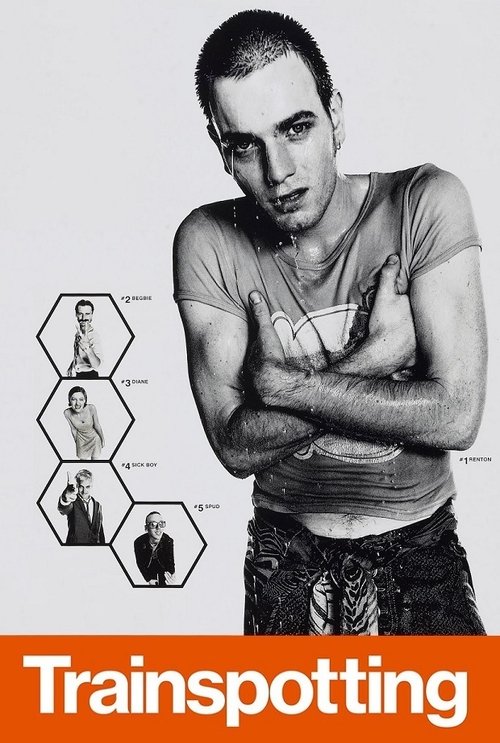
Trainspotting

Trainspotting

There is a pit in my stomach as I write this. Great films stick with you. Great films provoke a reaction. Oftentimes it's joy, or a sense of tragedy, or some lingering glimpse of profundity through art. But other times it's horror; other times it's disgust; other times it's skin-crawling revulsion that makes you wonder if there's any happiness to be had in a world where these sorts of things happen. And *Trainspotting* is a damn good film. It features stellar performances (from its lead in particular), an inventive visual sensibility, and story that continually yet artfully punches you in the gut through the whole run time. And because it's stuck with me, because it's provoked a reaction in me, I'm not sure I ever want to see it again. It's not because *Trainspotting* is a tragedy. That element is certainly in there, with innocents left to suffer for reasons beyond their control. But mostly it's because the film is about terrible people, people who take advantage of one another, people who have no reserve in hurting someone else just for the fun of it, and people who see the opportunity for one of them to break out of that cycle and cannot help but drag them back into the muck. No, *Trainspotting* is not about tragedy; it's about fatalism, about unavoidable doom brought on or encouraged by a twisted bliss that you inject into your arm. But that horror sneaks up on you. The opening third of the episode or so feels like a comedic, slice-of-life look at Scottish heroin addicts that doesn't feel so far away from a sitcom setup, with relationship troubles, buddies bonding over their shared successes and failures, and the folks at the center of the story just generally messing around and living their lives with a sort of reckless abandon that is equal parts dumb, funny, goofy, and more than a little gross. From the beginning of the film, it's clear that these are not good people -- shooting dogs with pellet guns to get them to bite their owners, stealing sex tapes from their friends, and bloodying random patrons at the bar and getting into fights over it. Sure, these guys are shits, but they feel like mildly amusing, mostly self-destructive shits, who get into the standard kind of shenanigans that wouldn't feel so out of place on a much rougher version of *Friends*. They have relationship troubles and come up with wacky schemes and come back 'round to hang out and make their roughly-hewn sense of it all. And then that goddamn baby dies. It's hard to think of a more horrifying image I've ever seen on film. It outstrips every horror movie and piece of cinematic brutality I've witnessed in terms of the pure, gobsmacking awfulness of it. The camera pans across the poor infant's body. It lingers just long enough and then, in keeping with the grammar of cinema, cuts to our protagonists' reactions, lulling the audience into a false sense of security that they won't have to see it again. But then the film cuts back, it doesn't let the viewer off that easy or attempt to elide the sickening nature of what's taken place. That's the turn in the film. Renton's voiceover says as much, explains that something changed after that point, but it's also a wake up call within the film. The boyish roughhousing and rowdiness and hijinx of the character's we're introduced to in the first part of the film are not harmless or victimless. They are the silhouette of the disease that casts the shadow, that gives these awful people license to continue being awful, to continue to ignore and turn away from the harshest things in the world because there's a vial of euphoria waiting to keep them from it, to be as selfish as to even jump in line ahead of the woman with the most grief in the race for that chemical distraction. These are not charming rakes who are charming in their incorrigibility; they are terrible human beings who do terrible, terrible things and an engage in whatever behaviors are necessary to avoid having to face how terrible they are. The rest of the film is a parade of those terrible things. It's hard to know whether heroin is the cause or merely an accelerant to them. There's no origin story for Renton and his pals here. When we see them off of the junk, they may not be robbing or stealing, but their not exactly saints either. Begbie never touches the stuff and might be the worst of them. He and Sick Boy take advantage of Renton in London when neither of them is using and pull him back into the life he'd nearly escaped. Heroin didn't cause the horrible events we witness in *Trainspotting*. It didn't make these people; it just made them worse. It made Renton worse because it provided him a means for avoiding ever having to emotionally confront the pain he's caused and the selfishness of his actions. the standout sequence in the film is his detox, full of a phantasmagoria of that guilt and fear and horror that he'd found a way to keep from himself coming back at him full bore in a flash of images, whether they be the spectre of AIDS, the image of poor abandoned Spud, or unnerving, devastating baby. There are a number of fanciful sequences in the film that convey the dreamlike quality of a man able to avoid the worst things in his life because of heroin -- whether it's diving through a toilet bowl that turns into a pristine sea, or overdosing on his dealer's floor while his POV is surrounded in velvet--but in that moment where the drug is escaping his system, those visuals curdle into a nightmare. The coda to that nightmare is Tommy, the seeming one good man among Renton's acquaintance. Through Renton's shining influence, both by stealing Tommy's sex tape and letting him try heroin, not to relieve Tommy's pain, but because Renton needs the money for his own habit, Tommy ends up addicted, infected, and eventually dying a miserable death while Renton does nothing to fix his mistakes. In a film whose balance consists of a parade of horribles, that development and the poor innocent child left to perish while its erstwhile caretakers are awash in a neglectful euphoria stand out as the most tragic. But the film's final act may be its most dispiriting. Because for a while, it seems like the nightmare works. That Renton, who's had every opportunity and bit of help his friends--Spud in particular--did not, is at least, it seems, finally able to escape. He moves away. He has a job. He's made a clean break. But it's not to be. He cannot separate himself from his friends who reinforce his debauchery, who lead him back into misery and thievery and self-destruction and the heroin that makes it all seem tolerable. *Trainspotting* is not just a story about some bad folks; it's the most effective anti-drug PSA ever created, that shows the awful, stomach-churning trajectory of these people's lives and the depraved, hopeless way that they continue to try to eat one another when their escape of choice is involved. It shows the way it makes them desperate, uncaring, unmoored from life or decency or real happiness, not through fear or exaggeration, but through an unflinching (if stylized) depiction of where this road leads you, what the people who can't "choose life" choose instead to escape the button-down existence they either don't want or can't have. It shows the ugliness at the core of who they are, the parts of their souls that have festered and rotted under the guise of that chemical reaction, and in visceral terms, makes you want no part of it, or them.

Jul 21, 2026

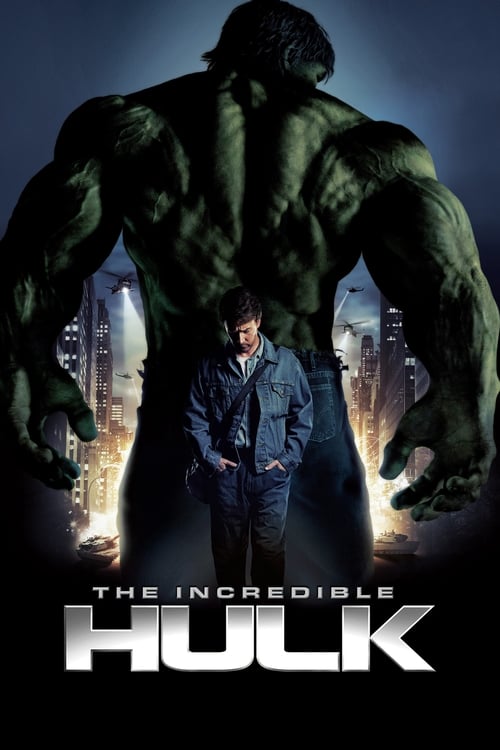
The Incredible Hulk

The Incredible Hulk

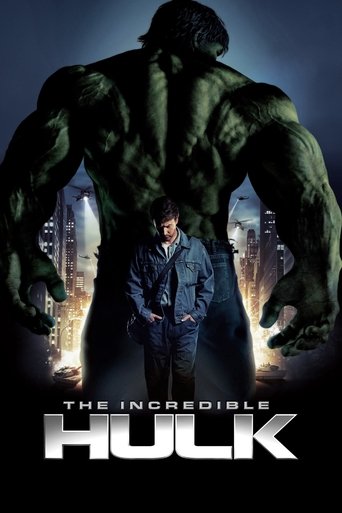
NPR's Linda Holmes recently posted a tweet asking if there was any superhero film where the most exciting or interesting part took place in the third act action sequence. While I there are a few exceptions, she's right to make the point. Plenty of films spend a good chunk of their run time developing their characters and setting up interesting plots and conflicts, only to see it all more or less smashed together with a gigantic, semi-interchangeable fight scene at the end. Holmes's take was particularly on my mind as I watched *The Incredible Hulk*, and found myself spending two-thirds of the film wondering why it was considered the ugly stepchild of the Marvel Cinematic Universe, and the last third of it being reminded. Most of *Hulk* is an interesting exploration of the main character's mythos, from Banner's condition being a curse, to an antagonist who desperately wants to be the thing that Bruce hates, to the doomed romance between Banner and Ross. Then, the last 30-40 minutes of the film devolve into a cheesy video game, and the movie more or less falls apart, making all the good work director Louis Leterrier did to get to that point feel like it was for nothing. What's frustrating is that there's some good thematic work done with Banner/Hulk in particular. Norton is solid if unspectacular in the role, by the writing and direction do a good job of conveying how The Hulk is an affliction for Banner, how this one accident has left his life in shambles. He cannot be near people. He has to take extreme precautions to keep himself calm. Each new "incident," leaves him having to start all over again, unable to continue with whatever progress he's made in the short term. The Hulk is not a tool that allows him to fight the bad guys -- it's a curse, something that prevents him from building a life, something that constantly makes him a threat to the innocent (and not so innocent) around him, something that puts him in the crosshairs of the government and the military and even just the overly-ambitious scientists who mean to help him. It's also something that keeps him away from the woman he loves. Again, it all falls apart in the third act, but Liv Tyler's soft spoken approach to Betty Ross makes the scenes she and Norton share compelling, and accentuates the star-crossed nature of their love in the silent but intense moments they share. The scenes when they come together expose why Bruce had to leave her especially. His presence at the university where she teaches brings her into the line of fire of the folks trying to catch him, and even their brief moment of physical affection has to end because it's raising Banner's pulse too much. (Betty is also the comedic highlight, from her line about Bruce not being able to even get "a little excited," to her anger at the cab driver, to her skepticism that the government will be able to track them via mundane objects like her ID.) It's clear why this is an even greater curse for Banner -- it keeps him away from the woman he loves. And yet, Betty is the key to him overcoming some of that concern. For one thing, Bruce is worried that if he turns into The Hulk while Betty is around, he'll harm her. But one of the first things that allows us to realize that there's more of Bruce in his big green alter ego than he thinks is that Hulk repeatedly protects Betty, that he protects her from the military helicopter bearing down on them and when they have their *King Kong* moment in a cave, she doesn't so much as lay a finger on her. She's also the one thing in the film we see able to calm The Hulk, whether it's her explaining that lightning isn't anything to be afraid of, or climbing onto him in Dr. Sterns's laboratory while the procedure takes place. She is a powerful force in Bruce's life, so powerful that she cuts through to the man beneath the angry green exterior, even in the worst of rages. She's also the key to Bruce making peace with his alter ego to some degree. When she asks him how much Bruce is aware when The Hulk is about, and intimates that maybe he could find a way to get back into control, Bruce tells her that he doesn't want to control it, he just wants to get rid of it. The Hulk has made Bruce Banner's life a living hell, turned him into a maelstrom of green flesh leaving a path of destruction in his wake, and taken away any semblance of a normal life he wants to have. But with Betty's help, over the course of the film Bruce learns that Hulk can be a force for good, that he can be used to protect people like Betty and can be trusted, or at least taught, not to harm the people Bruce cares about. Bruce's knowing smile at the end of the film as he induces the transformation shows a man in harmony with his "curse," who's learned, with Betty's help, that he *can* control the beast within, and maybe even channel the effects to where it becomes not a curse, but a gift. Emil Blonsky desperately wants that gift. Like many cinematic foils, he works best as a mirror image of the hero -- not as the grotesque scaly monster he becomes who is basically a spiky ugly version of Hulk, but in more human terms. Bruce is a subdued, gentle man who desperately wants to rid himself of the rage monster that lurks inside and resents the changes it brought. Blonsky is a fighter at heart, who feels his effectiveness slipping away, and *wants* more than anything, the afflication that Bruce is trying so hard to escape from, so that it can allow him to continue in battle. Bruce will give anything not to have to fight; Blonsky will do anything to get to stay in it, and that makes them an interesting contrast until the film defaults to a pair of brutes slugging each other indiscriminately. The film also does a tremendous job of quickly establishing both characters. The film's opening half hour is probably of its best. The initial montage does a good job of setting up the premise without belaboring the point or retelling the origin story of a character 90% of the audience is familiar with, at least on a surface level. The scenes set in South America are close to wordless, but they quickly establish the lengths Bruce has gone to in order to 1. keep himself and the people around him safe; and 2. try to find a cure. His breathing exercises, his pulse machine, his day labor job, his learning how to deflect physical attacks rather than respond to them, his makeshift science lab, and the tons of other precautions he takes. Without ever telling us with exposition, the audience knows that he is a talented scientist, that he's taking extraordinary precautions in an attempt to try to prevent his dark side from emerging, and that despite that, he cannot avoid his impulse to help people who need it. The ensuing action sequence as he's chased through the streets is the best in the film. There's a Bourne-like quality to the dips and dives through the labrynthe of the town, and excellent recurring beats like the roughians he ran into at the plant showing up or his daring escape when he realizes the government's on his tail. It also gives Hulk himself the *JAWS* treatment, giving us just glimpses, keeping him in shadow, letting us see what the creature can *do* before we ever clearly see the creature. The subsequent action scene on the quad of the university is not as tightly directed or constructed, but is still an enjoyable crush-fest that has important beats for the characters. Hulk's determination in the face of the sound canons makes you feel for the atavistic brute. Blonsky's speed past the younger soldiers and move face-to-face with the beast shows both what he's trying so hard to regain and how much he's itching for this, how much he thrives in battle in a way that would make him just crazy enough to suffer and take these kinds of risks to hold onto it. Unfortunately, it all culminates in a strange page out of the *Rampage* playbook. Abomination has little in common with Blonsky. He's just a big sack of evil, with cheesy bad guy dialogue and little to recommend him. General Ross's sudden change of heart and willingness to send Bruce out to fight Abomination makes little sense, and their fight goes on too long with not nearly enough excitement. It's the usual cacophony of destruction, made all the more static by the fact that there are two cartoon characters doing the damage. In the right hands, CGI can be a boon, and it's hard to imagine this film working anywhere near as well as it does if it had to rely on a modern day Lou Ferrigno. But the height of the film involving a pair of unconvincing computer-generated creations constantly punching one another, just makes the whole thing feel weightless, feel unreal, and not in a good way. Sure, there's neat moments like Hulk using a cop car as brass knuckles, but for the most part it feels like tensionless, dull combat, and yet it's supposed to convey the heart of the movie. Sure, Hulk going to great lengths to protect the innocent is a nice beat, but it's in the middle of more contrived, block-busting battles. There's a nice emotional story being told for two-thirds of the film, about making peace with your id, about trying to regain waht you've lost, about learning how a curse can be used for the greater good. But that story is lost in a sea of oversized fists, cheesy one-liners, and actions that make little sense. It's a shame for a movie that started of this well to devolve in something so pointless.

Jul 21, 2026

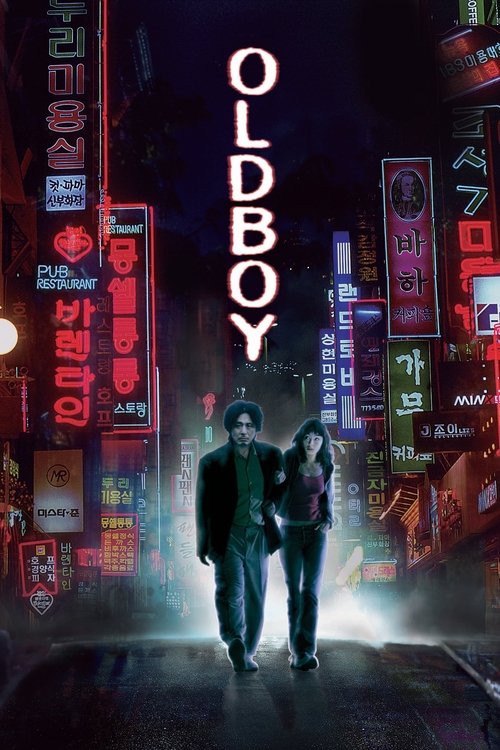
Oldboy

Oldboy

It's easy to call Oldboy a movie about a revenge. It is, after all. Lee Woo-Jin wants revenge on Oh Dae-Su, Oh Dae-Su doesn't realize it for much of the film, but he wants revenge on Lee Woo-Jin. And each man is changed tremendously in the process. Lee Woo-Jin is not the nerdy photographer we see in flashbacks, but a suave millionaire who exacts his plan in style. Oh Dae-Su is not the pudgy lech we see causing trouble at the police station in the film's beginning, but a fearless fighter and nigh-detective with real purpose in his life. And yet, neither of them is better for it. What's striking is that the spark that begins this conflagration is so tiny. Works like Match Point and Breaking Bad have toyed with themes about tiny events and small coincidences having outsized effects on people's lives. But Oldboy outpaces them on this front. Oh Dae-Su is almost done with his school, moving on. When he sees two people fooling around by chance, he absent-mindedly repeats the gossip to his friend, barely even aware of who they were or what he was seeing. And this small action led to innumerable deaths, torture of the living both psychological and physical, and irrevocable changes for Oh Dae-Su and the lives of the people he's touched. The hollow consumption of revenge has been examined by more than a few works, stretching back at least as far as The Scarlet Letter and the name-checked Count of Monte Cristo. But there's something bitterly ironic about all this fuss, the entire impetus from the film, beginning with some punk kid thoughtlessly relaying some vague information about something he saw but didn't really process, appreciate, or care about. The film drives the irony home by having Oh Dae-Su scribble a list of his possible enemies in his journals, and have his best friend mention the hundreds of people's lives he's ruined, and instead of the revenge stemming from his many misdeeds, it's from an offhand comment that, unbeknownst to him, had a butterfly effect. I think that's why this film stays with me a bit. I think it's why, beyond the twists that give it a memorable "holy crap" moment, the bloody end stands out so much. Because the entire enterprise is framed as so empty, so fruitless, so damaging to all involved. Lee Woo-Jin is desperately trying to rectify the grief he feels for the loss of his sister and lover. And yet once he has, once his plan reaches fruition, he asks what he has to live for, imagines her death once more, and kills himself, laden with the realization that all his grand plans cannot heal those wounds. And he puts Oh Dae-Su in the same position, realizing that his quest for revenge was just as much a sham, that he's done more damage by becoming this monster than if he'd simply died, or gone to live his life, or never bothered to go on this Herculean (or Batman-esque) attempt to get to the bottom of what happened. That's why at the end of the film, he asks to forget, he asks to wipe away the revenge, wipe away that past rather than let it linger with him, to clear his heart of the anger and scars inflicted upon him over the past fifteen years. And all of this, every last bit of it, begins with a brief word to a gossip that the original informant didn't even remember. The absurdity of it, the senselessness of it, lingers far beyond the shock of the film's reveals. Despite that, it's a film that could run on plot alone. The story of a man trapped without knowledge of why or by whom, who is freed and sets out to find his captor, works at an elemental level to rope in the viewer. The opening segment depicting Oh Dae-Su's is enthralling as a psychological experiment, making us wonder what it would be like to go through something so isolating and dehumanizing. It puts us on Oh Dae-Su's side as we too wonder who would do this to him, why they did it, and hope that he gets his revenge. There's a relentless momentum to the film, that parcels out these discoveries well along the way, while guiding us through Oh Dae-Su's maladjusted reentry into the world. Park Chan-Wook's direction adds to the atmosphere of the film with his deft camera work and creative choices in presentation. The film is bathed in dingy, Fincher-esque greens and blues that convey the grittiness of the proceedings. While the long-take fight scene is the most notable visual flourish in the film, Chan-Wook uses a great deal of creative framing to convey the emotions of his scenes, from layering Dae-Su, Woo-Jin, and the picture of Woo-Jin's sister in the same scene, to the transitions that blend one scene into another. There are, of course, those shocking reveals. Watching the film for the second time takes away the jaw-dropping reaction at the true identity of Mi-do. (Who, on second watch, feels less developed than I remembered). But to the film's credit, the twist still works on rewatch because of the effect it has on Oh Dae-Su. His aghast response, his near insanity that once again throws him into vacillations between seeking pity and mercy and making threats and vows of retribution, while over the top, still has power even if the twist itself is muted. There's a degree of magical realism to Oldboy. The idea that Lee Woo-Jin could pull off his convoluted scheme even with the seemingly unlimited resources at his disposal, that hypnosis could work as well and as clearly as depicted in the film, that all the players would play their roles as necessary for everything the fall the way they did is more than a little unrealistic. And yet it works because more than anything, Oldboy feels like a parable, a fable, rather than a story that aims towards realism. It is a fable about revenge, taking whatever liberties with plausibility it needs to in order to thread the needle of its message, of the hollowed out emptiness of anger and revenge and its inability to make up for loss. The tragedy is amplified by the nigh-random incident that sets it all into motion. But Oldboy is about more than revenge. It's about the compromises we make, about the lies we tell ourselves, about the way small events can shift the tides of lives, and about the people we can become when the baser elements within us--The Monster and the Calculating Avengers--consume us.
Jul 21, 2026

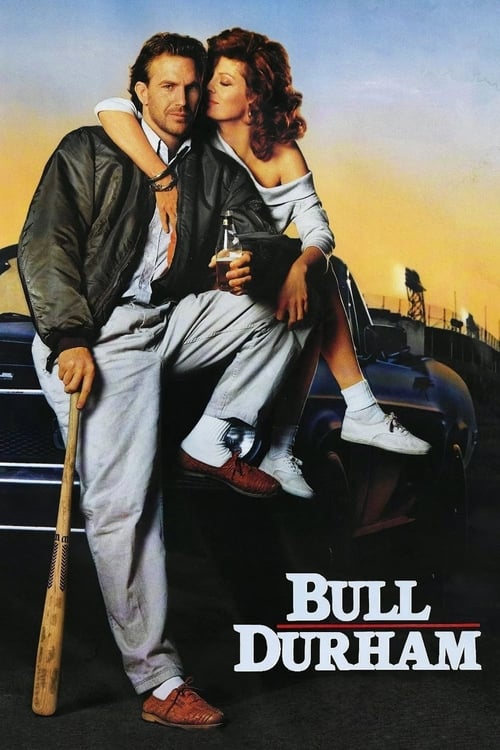
Bull Durham

Bull Durham

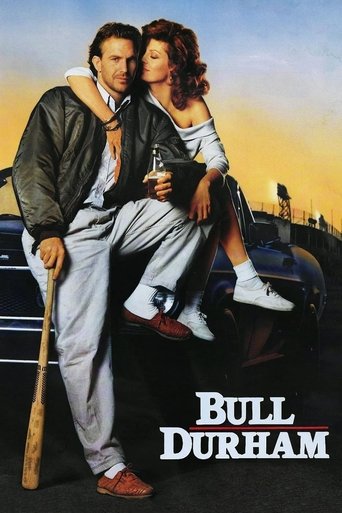
There are a lot of cliches in this film, a lot of characters who feel very stock and very conventional even as they're meant to be unconventional. Nuke LaLoosh is your standard-issue dumb jock, as cocky as he is clueless, meant to show the slightest bit of growth that eventually makes him lovable. Crash Davis is the usual old hand, wise in the ways of life and his profession and ready to school the nudniks he's surrounded by with his years of wisdom. And then there's a fairly typical collection of motley souls to make up the rest of the baseball team, each with one-note characterizations that make them distinctive enough without detracting from the stars of the show. And then there's Annie Savoy, a character who I can't quite get my head around, but who feels anything but conventional. The problem becomes whether that's a good thing or a bad thing based on how she's played and portrayed in the film. There's two ways to look at Annie, and I'm not sure which is the most correct or the truest to the character as written and performed. The first is as a self-assured, self-actualized firecracker of a woman, who's in charge of her own sexuality, has her own journey over the course of the film, and who isn't shy about going after what she wants with abandon. There's a confidence to the character, a sense in which she knows who she is and what she's about and she has no interest in adjusting or apologizing for that. The second is as a shallow male fantasy of a woman who's as interested in sports as she is in sex, who has a tacked-on interest in literature to attempt to make her seem like something other than curvaceous trophy to be won at the end of the film, and who is only truly happy, who only truly grows as a person, when a big strong man comes along who knows how to tame her. Having mulled it over since I watched *Bull Durham*, I still haven't settled on an answer. Is she empowered or an object? Is she a three-dimensional character who's allowed to revel in her own uniqueness or a skin-deep vixen who's more of a narrative device than a person? Whatever the answer to that question, she's distinctive, and one of the few elements that stand out as unique and original in an otherwise fairly basic, cliche-ridden film. But she has a story and a journey, and that goes a long way. It's a journey that connects her with Crash, and pulls the two of them together once Nuke leaves both of their lives. Their fates, and their existences, are intertwined in *Bull Durham*. Both of them are grooming Nuke to one degree or another. Both are coaching him up on the game of baseball, but also coaching him through life, through how to conduct himself, for how to think about the game and his part in it. The two have their differences -- mostly when it comes to Nuke's vow of abstinence until his winning streak ends -- but for the most part the pair are in sync. That's why it makes sense that they would find solace in one another. The two of them lead very different lives, but are in very similar positions. Each knows that they derive their value from being attached to "greatness," or as close to what passes for that on a baseball diamond. Crash is good, but not good enough, so instead of the superstar his mind suggests he could be, his physical skills mean he's always going to be a step behind, only brought in to coddle and mold the Nukes of the world. And Annie is the same way, choosing her "prospect" on the team each season and enjoying a single-serving romance until the inevitable departure. Their fates are each tied to someone else, someone destined to leave, until they're each too old to hack it anymore, even as a springboard for someone much younger and less worldly than they. There's real pathos there. The subtext to the film, that there's a quiet mix of emptiness and fulfillment in being someone else's stepping stone year after year, a soft ignominy of dubious distinctions like a minor league home run record or the number of faces framed on your wall. If there's anything that makes Annie and Crash work, that makes their coming together feel like a minor triumph instead of the mere inevitable result of an eighties sports comedy, it's the idea that both of them are wasting something on Nuke, that they're being used up and expending the best of their energy and efforts on someone who may never truly appreciate or understand them, while there's someone who would waiting on the other side of the ballpark. *Bull Durham* posits Annie and Crash as equals, or at least as equally matched, both knowledgeable and capable and not easily swayed. Each is bending over backwards to try to build someone into something, to teach them not to shake off a signal or how to unsnap a garter. So when their collective protege is sent on to his next stop, never to come back, they're left with each other, and the realization that having been in the same business for a long time, they're each ready to step back and retire from it together, that they want something more than that cycle which brings them tantalizingly close to greatness, but casts them aside and leaves them empty and waiting for the next go-round when it's finished. Rather than trying to build someone for the future, they find love, or at least comfort, in someone who's already fully-formed. It's just a shame that we have to spend the bulk of the film's runtime steeped in the usual eighties cheesiness to seize on that point. Despite that subtext, the love triangle between Annie, Crash, and Nuke, has all the tropes and narrative conventions you'd expect in a film released from 1988. Tim Robbins' cuts an appropriately doltish figure as the rube who tries to fight his unwitting mentor behind a bar and tries to beg off Annie's poetry for more carnal pursuits. Kevin Costner's Crash speaks in the fortune cookie wisdom and hoary one-liners of a man destined to relive the same basic sports movies over and over again. There are bright spots. The pow-wow about wedding presents and the manager's riot act are easy but enjoyable gags. But the humor, the side characters, the relationships, and the drama, all reek of the two-tone emotional backdrop and typical story beats that show little imagination despite a solid premise and thematic ballast to prop up both the lighter and more dramatic elements of the film. And yet, there's Annie, a fascinating character who seems like she's two-parts a vivacious, fully-realized human being who loves and accepts herself and her choices but evolves and finds something deeper, and one-part a prize for her male counterpart to win after he shows her the error of his ways and establishes himself as the one she should be chasing rather than expecting to chase her. I don't know how to resolve those aspects of her character, or whether they make her admirable, retrograde, or something in between. But maybe we all deserve to wear white.

Jul 21, 2026

Lists

14/07/2015
07/10/1997
17/06/2015
25/04/2012
26/12/1973
28/09/2001
28/09/2012
01/02/2012
14/01/2005
14/02/2010
19/01/1996
24/07/2016
04/10/1987
28/06/2007
16/06/2010
03/08/2007
03/08/2016
12/06/2008
25/04/1961
15/06/1988
11/06/2010
28/09/1994
17/12/2004