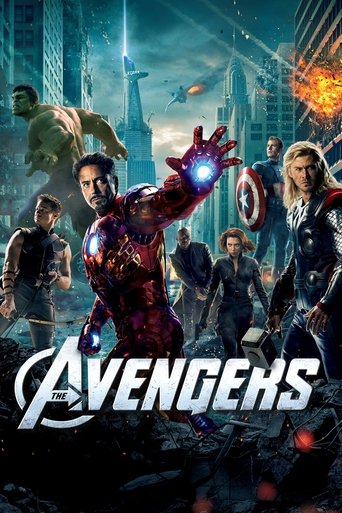
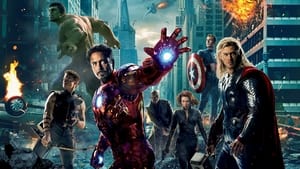
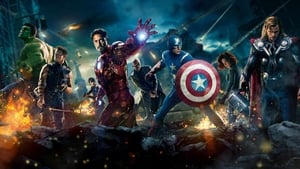
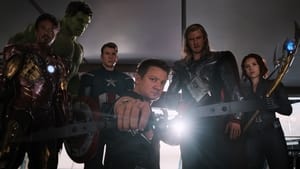
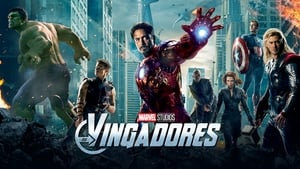
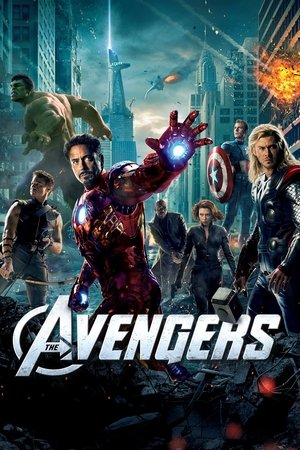
[8.5/10] *The Avengers* shouldn't work. It’s too many characters. It’s too comic book-y for mainstream audiences. It’s too dependent on developments from earlier movies most people hadn't seen. It’s too many plots and threats and relationships than you can fairly service in two and half hours.
And yet, it does.
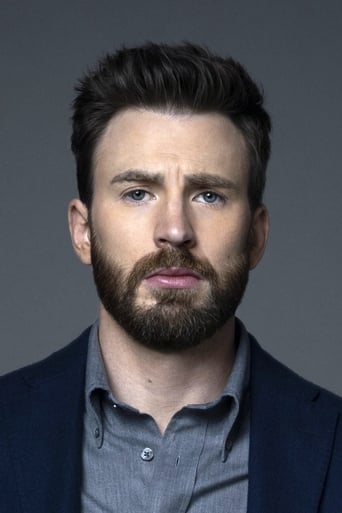
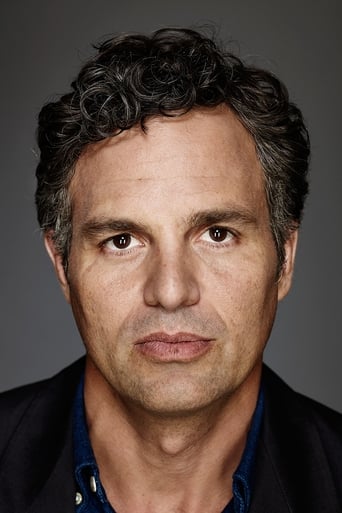
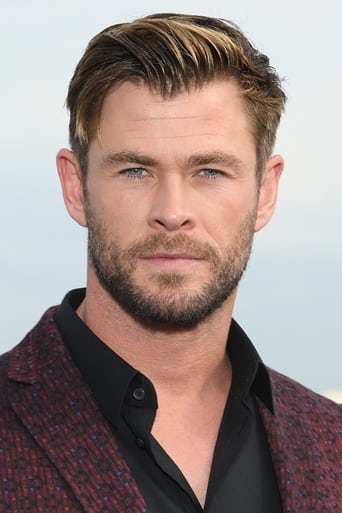
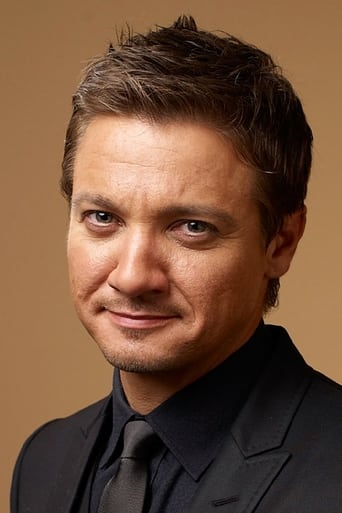
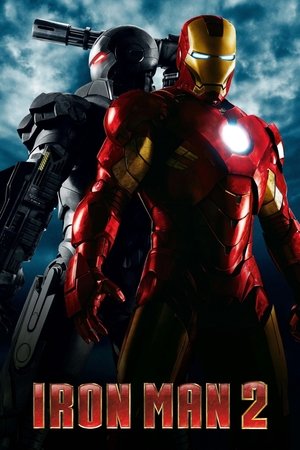
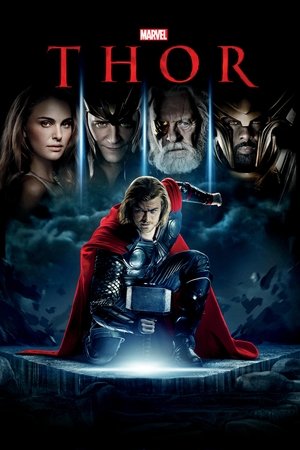
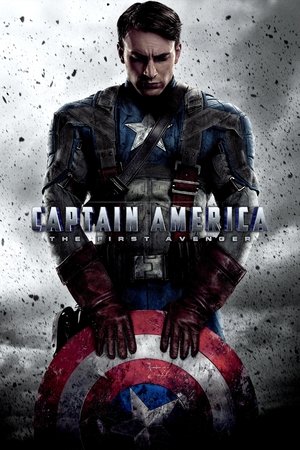
Some of that is simply the casting. Chris Hemsworth is still a bit green at this point, and Jeremy Renner comes off as a generic action guy. But on the whole, everyone comes to play, and many hit it out of the park. Robert Downey Jr. had nailed the role of Tony Stark, and makes it look effortless. Chris Evans’ steely decency fits him well in Cap’s modern coming out party. Scarlett Johansson conveys vulnerability wrapped in professional stoicism in Black Widow’s ascendance. And Mark Ruffalo steps into the Bruce Banner role brilliantly, with a sense of mild-mannered geekery on the outside and the sense of someone nursing a fear of what he’s capable of on the inside.
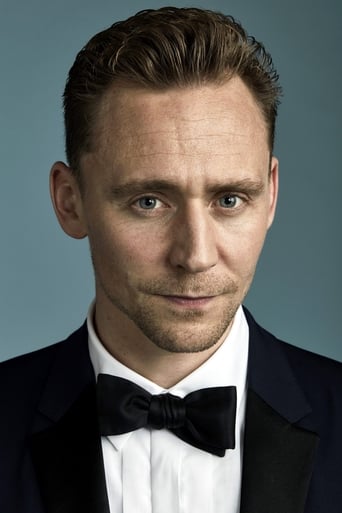
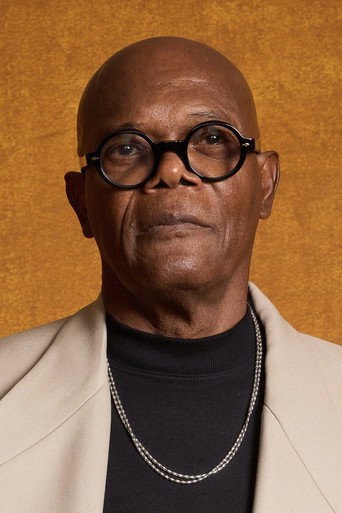
And that's just the heroes. Samuel L. Jackson is a pro, as always, leaving an indelible mark with his take on Nick Fury. Tom Hiddleston nearly steals the show in a flick full of heavy-hitters with his delightfully devilish Loki. And Clark Gregg brings forth wide-eyed earnestness and a surprising amount of ballast in the film’s key scenes.
In short, maybe your story doesn’t have to be up to snuff to make it work when your talent is this good. But it is.
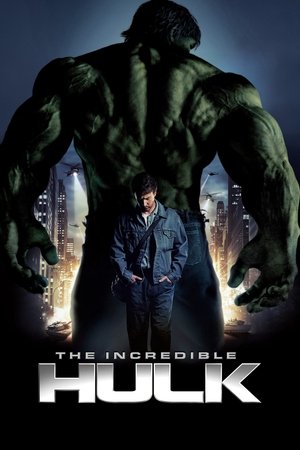
On rewatch, the surprisingly sound script stands out. From the opening bit of action, we understand the threat and the stakes, with just enough teases and reveals to keep things interesting as things progress. From there, *The Avengers* expertly gets the band together, offering mini-introductions for each character for anyone who didn’t bother watching the 2008’s *Incredible Hulk* movie with added layers for the people who did. The action set pieces are there, for sure, but the characters get to bond, bristle, and then assemble in perfect rhythm. There are surprises, payoffs, and crowd-pleasing moments galore with a script that is surprisingly nimble and a story that is surprisingly propulsive given how much both have to cram in.
But the film’s biggest success, and the thing that truly makes it work, is how well it balances its characters while leaning into all the Avengers’ relationships with one another. This is, ultimately, less a story about beating back the gnarly space whales and snarling aliens from a portal above New York, and more about a group of individuals who are both “remarkable people” and “lost creatures” coming together to become a greater whole.
There’s scores of movies where superpowered dynamos beat back their malevolent foes. What separates, and elevates, *The Avengers* is the way it makes us care about all the people doing it.
To make that happen, the creative team has to move with a surprising amount of economy, fitting in short but potent scenes that establish the dynamic between scads of characters. The result is that you have a sense of how Tony feels about Bruce, about Steve, about Natasha, about Thor, even about Loki, despite not sharing a ton of screentime with any one of them. The character scenes are short, but they’re punchy, often fun, and laden with little bits of pathos or character-revealing moments that help you understand not only these heroes, but how they relate and contrast with one another.
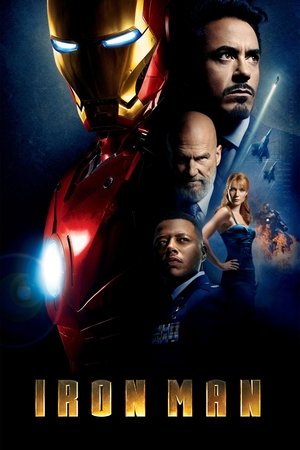
Most commendably, the easiest thing to do would be to turn *The Avengers* into just another Iron Man movie. Tony Stark was the signature character of the nascent MCU at this point, and his box office returns could have justified it. Instead, the script spends just as much time servicing Natasha’s dynamic with Bruce and history with Clint, continuing the complicated sibling rivalry between Thor and Loki, and further drawing out Steve Rogers’ transition to a new world.
These scenes aren’t just window dressing. From a pure plot standpoint, their hesitancy and squabbles play into Loki’s grand plan. From a narrative standpoint, seeing them so at odds with one another makes it seem that much more unlikely, and that much more satisfying, when they do come together. From a thematic standpoint, their conversations draw out the themes of freedom versus following orders, of self-interest versus sacrifice, of cynical fatalis versus a trust that people can come together for the greater good.
But most of all, it makes these characters feel more real and more connected. Everyone has something to do, not just in the fight, but in the group dynamic. If you want this supergroup to be memorable, to have people latch onto them and buy into what the MCU is selling, then the most important thing you can do is make the audience feel like a fly on the wall, recognizing the tangles and laughs and disagreements and hard-won ties between people that find their place in any real life friend group. For *The Avengers* to succeed, you have to care about, well, the Avengers, and that's where the film puts its most focus.
Granted, this is still an action movie. If I have a gripe, it’s that decades of escalating set pieces in superhero films, the explosions and fisticuffs don’t have the same impact they once did. Sure, a big car chase and Shield HQ implosion are nice enough, and the various vehicles and mooks that end up destroyed over the course of the film’s four or five major interludes of action have the requisite amount of spectacle. But at some point, you become inured to the shattered glass and twisted metal, and it all starts to become static.
Still, if there’s something to be said in *The Avengers*’ favor, it’s that the creative team suffuses those grand action-y stretches with specific tasks and memorable moments, that stand out beyond the general maelstrom. Iron Man and Captain America teaming up to fend off the baddies and restart the helicarrier’s turbines isn’t just a perfunctory side quest. It’s a way to dramatize their setting aside their considerable differences in the name of something bigger than either of them. Black Widow and Thor holding off Hulk isn’t just an excuse to up the danger factor; it’s a reflection of the self-fear and lack-of-control Bruce has been worried about to that point.
Even in the now-ballyhooed Battle of New York in the end, the ultimate fight doesn’t just feature cool moments like Cap reflecting Iron Man’s blast off his shield, or Hawkeye doing a no-look arrow blast, or even Hulk thrashing around Loki as a “puny god” after punching out a floating colossus. It features Tony Stark affirming the Avengers as a team to their adversary. It features Steve Rogers stepping up as the unquestioned leader of the group, finding his place and purpose despite the rush of years. It features Bruce making a certain amount of peace with “The Other Guy”. Even in the big fight, the skirmishes are brimming with character.
Granted, there’s still plenty of awe and crowd-pleasing moments to send the fans home happy. It’s easy to take for granted now, but the first rise of the helicarrier still impresses as a step into this bigger world. The swirling camera around the Avengers assembled is rightfully iconic, both as a nod to the splash pages of the comics and as a visual cue that these misfits have truly become a team. And the lettering of Stark Tower falling aside in the skirmish until all that's left is an A for the iconic Avengers Tower is a clever out.
Despite those nice touches, the film does get a little too cute, or go a little too far in places. As much allowance is owed to a movie that isn’t afraid to embrace the heightened reality of comic book stories, Black Widow curing Hawkeye’s brainwashing with nothing more than the ol’ knock to the noggin is a bridge too far. For all the memorable quotes and cheeky retorts that are the currency of the film, sometimes its dry cool action lines feel off-the-shelf. And while the quips that would become the MCU house style are welcome most of the time as a nice way to add levity and take the edge off superhero films’ self-seriousness, sometimes they’re a stumbling block for otherwise meaningful scenes.
Ultimately, though, the meaning of those big scenes wins out. There is great power in the fact that what ultimately brings the Avengers together is not merely a global threat or a megalomaniacal demigod, but rather the loss of a friend. There is also great poetry in the death of the one character who united the disparate Phase One MCU films being the figure who, in the end, unites the heroes themselves. A union born not just of necessity, but of a desire to make good on the hopes and make up for the loss of someone who believed in you gives the Avengers’ assemblage that much more impact. The restraint of Coulson not quite choking out the word “avenge” with his final breath, and manipulative Fury sweetening the sale are the icing on the cake.
But the act with the most meaning is the one founded on both conflict and character. If there’s a clear throughline for *The Avengers* beyond the chase for the Tesseract, it’s the conflict between Steve Rogers and Tony Stark. And it makes sense why the two would butt heads. Steve is polite and old-fashioned; Tony is incorrigible and flashy. Steve is trained to follow orders and join up; Tony is inclined to mistrust authority and go his own way. Most of all, for all each has superheroic pelts on the wall, Steve accuses Tony of being in this for himself, unwilling to make the sort of sacrifice play that Steve himself made famous.
That's why Iron Man guiding the World Security Council’s nuke into the Tesseract portal to spare New York City, with himself along for the ride, is such a big moment. Sure, the impending bomb adds stakes and a ticking clock. Sure, it’s cool to see the MCU’s signature character redirect the missile to blow up the bad guys. But what’s truly important about it is that Tony proves himself to the big brother whose legend he could never live up to. When push comes to shove, Hulk saves his bacon in an appropriately Big Damn Heroes sort of way. But Tony was ready to die to save the city, and his friends. It’s the sort of thing Captain America would do. And not for nothing, it’s the sort of thing The Avengers would do.
It would have been so easy for this big team-up movie to be less than that. It could easily have just been a sugar frosted bomb of cheap cinematic spectacle. It could easily have crumpled under the weight of at least nine major characters and the need to cement a cinematic universe. It could easily have traded pathos and character away for the disease of more and more and more.
Instead, *The Avengers* is big and bold and superheroic when it needs to be. but it’s also quiet when it needs to be, a true ensemble when it needs to be, and ultimately, a wide-ranging character piece *because* it needs to be.
There’s ways in which *The Avengers* seems quaint to modern eyes, given all the architecture that Marvel Studios built around this seminal film, and the countless sequels, prequels, and spin-offs that have emerged since then. To the point, it’s easy to take the film’s success for granted, as though it was preordained, given the juggernaut (if you’ll pardon the expression) the franchise has become in the years since.
But it wasn’t. In truth, it’s almost hard to believe what a gamble this movie was, not just financially, but creatively. What amazes me isn’t that Iron Man and Cap and Thor and Hulk and Black Widow and Hawkeye beat back the bad guys. What amazes me is that a studio tried linking up all their lesser known characters into one grand big screen bundle, that a creative team leaned into character, relationships, and a genuine reason for these heroes to come together to fuel the team-up film, and against even longer odds, these people actually pulled it off.

 Plex
Plex  Kodi
Kodi  Stremio
  Jellyfin
  Netflix
  Disney+
  Prime Video
  HBO Max
  Trakt
Trakt  TMDB
TMDB  Letterboxd
  IMDb
IMDb  Simkl
Simkl  TVTime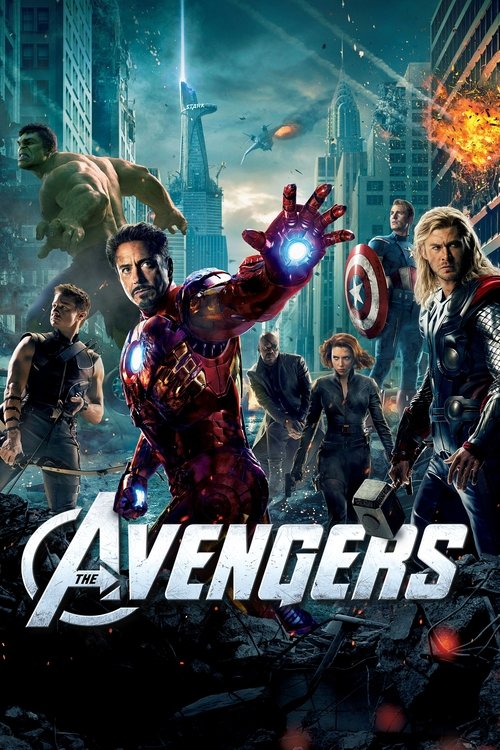
 United States