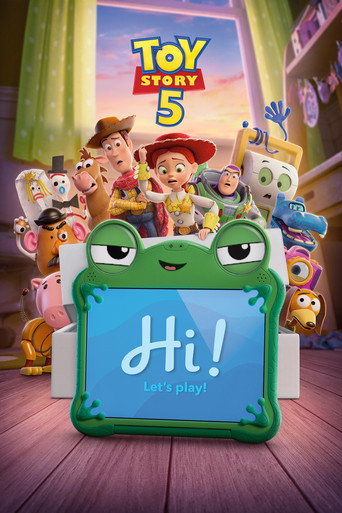
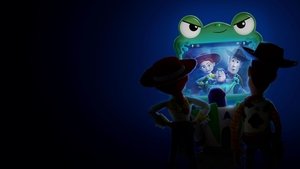
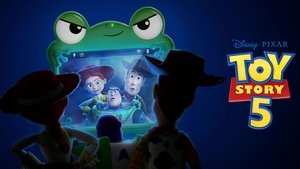
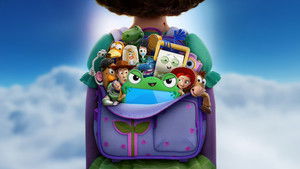
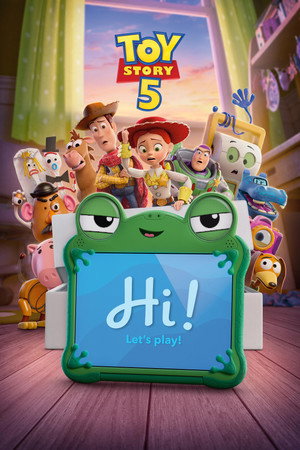
[91/100] The overarching theme of the Toy Story franchise is the acceptance of change. From being supplanted by a new favorite to saying goodbye to your original kid to accepting a new phase of life, each installment features the now-famous playthings bristling but eventually acclimating to some big shift in their state of being. The series’ fifth installment is no different. *Toy Story 5* keeps up that proud tradition, but against all odds, finds admirable new ways to explore it.
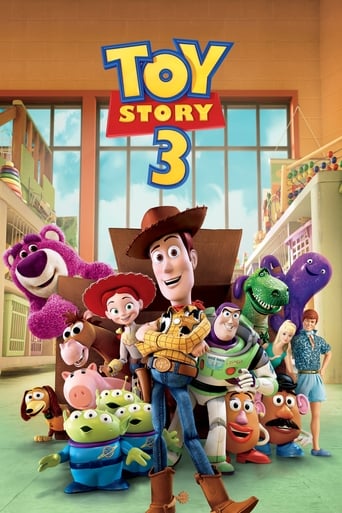
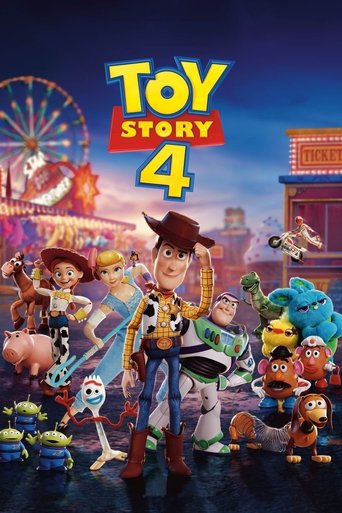
That starts with Jessie, who takes center stage after being an important but still supporting character up to this point. Simply shifting the protagonist of the piece does a world of good in keeping this thing fresh. Let’s be real. The world didn’t need another Toy Story sequel. The third entry in the series felt like an obvious endpoint, and despite the surprising heights of [the franchise’s fourth outing](https://trakt.tv/comments/296304), nothing in the story demanded a follow-up. Each new extension of the (admittedly durable) original premise has to work a little harder to find a new angle and justify itself.
Handing Jessie the reins wins half of that battle from the jump. After four movies, Woody has practically exhausted his possible character development through a heap of major life events, and for his party, Buzz Lightyear has settled into a good place after all these years. The pullstring cowboy feels a little shoehorned into this particular adventure, and the self-aware space ranger works well in a cute “trying to find the right moment to propose” comic subplot. But this is Jessie’s time to shine, and *Toy Story 5* is better and fresher for it.
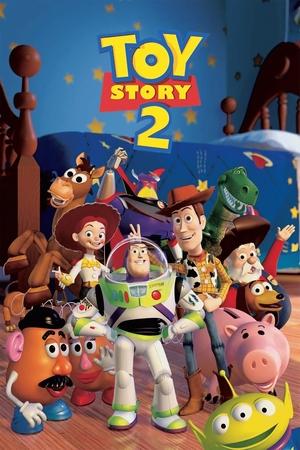
Some of that is the novelty that comes from seeing a familiar face in a bigger role. Some of it is the fact that, by being less in focus, Jessie simply has less narrative mileage than her counterparts. But much of it stems from the fact that this movie builds on the most fundamental and heartbreaking aspect of Jessie’s introduction in *Toy Story 2* -- the montage of being loved and left behind by a kid who once prized you above all others until they seemingly forgot about you.
Everything is about trauma these days, but there’s genuine pathos in the way that Jessie has already been passed on twice, once by Emily, her original owner, and once by Andy, the first “kid” in the Toy Story franchise. So there is power when Bonnie, our kid du jour, seems poised to move on from playthings due to a combination of tablets and peer pressure, forcing Jessie to grapple with her abandonment issues. The sporting but smarting cowgirl wonders if the age of toys is ending, if she’s destined to be cast aside again, and most distressing, if it’s her -- if she’s bad at being a toy or otherwise useless, to where this sad fate keeps happening to her. That fear is only magnified when bad luck leaves her back in the home where she was once abandoned.
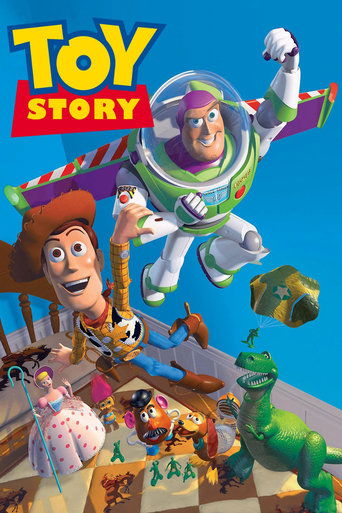
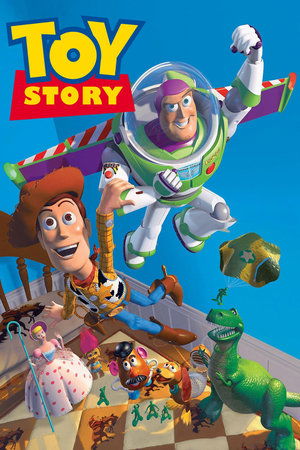
It’s deep, poignant character material that builds on the history of the characters, and can pierce you in the right moments despite being wrapped up in a fun, joke-filled package. That's the tone [the original *Toy Story* film](https://trakt.tv/comments/35236) set, and *Toy Story 5* carries that torch well and proudly. To that end, the latest sequel is a soft remix of the first movie, with Jessie as the traditional toy that feels her place in the world slipping away in place of Woody; Lily the tablet as the new fancy toy who threatens to usurp her in place of Buzz; and another misjudged misadventure that strands our heroes far from home, forcing Jessie to make new allies and race to get back to her kid before it’s too late.
That's not a knock. What’s admirable about the new Toy Story outing is the way it updates those concepts for a new era. Rather than the space age wonder that threatened to displace wild west imagination, Jessie has to confront a different *kind* of entertainment for her kid. The film features amusing and sharp observations on screen use in the modern age. And even if the script occasionally goes for some low-hanging fruit in that regard, the film offers a surprisingly nuanced take on the impact of tech for kids.
Going in, you might reasonably expect *Toy Story 5* to be a polemic against technology. But that wouldn't be terribly befitting of a studio that made its bones with groundbreaking advancements in computer animation, now would it? Instead, despite Lily’s friction with Jessie and the other toys, Lily is treated like someone who genuinely means to help Bonnie, even if her methods are different and scary to Jessie and her comrades, and who is genuinely remorseful when her methods hurt rather than help her kid. Technology itself is treated as a tool, one that can provide an avenue for cyberbullying and peer pressure that makes bright young girls feel ashamed of what they love and who they are, but which can also help them find connection with like-minded souls, even when they’re feeling especially shy and tender.
And so tech becomes an ally rather than a rival, a process helped along by Jessie steadily falling into a friendship with Smartypants, the digital toilet training helper voiced to perfection by legendary funnyman Conan O’Brien. He and Joan Cusack make for a stellar double act. Their rapport lends to the understanding that blossoms within Jessie for the new age devices that she understandably sees as avatars of her own lamentable obsolescence. Recognizing the way Smartpants and his fellow devices are just as enchanted by their kid, just as bummed about being overlooked, just as eager to find their kiddo a friend, shows a commonality that helps Jessie overcome her hang-ups and have plenty of fun and team-up potential with her new compatriots along the way.
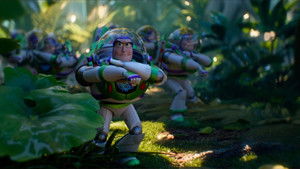
The film manages to find a nice balance with that fun and adventure. Jessie’s quest to overcome technological obstacles and find Bonnie a true friend as a final act of service is the obvious A-story, and the most compelling part of the film. The B-story of Woody and Buzz elbowing over each other to try to help her feels a little bit like fanservice, but has its moments and provides a nice thread to follow as a break from the main plot. And the C-story, of a troupe of stranded Buzz Lightyear toys marches on in search of “Star Command” makes for some memorable set pieces and proves vital to our heroes’ great escape in the end.
Those set pieces are aided by the stellar visuals that are Pixar’s calling card. Amusing sequences where Bullseye mirrors the movements of a real life horse, or Jimmy Dean the pot-bellied pig waddles around the house, show how sharp the studio’s animation remains alongside the more robust textures and backgrounds that technological progress provides for. The art shifts in Bonnie and Blaze’s make-believe games add a water color flair to the imaginative sequences. And the animators continue to be superb when it comes to movement in this world, being able to plausibly account for how everything from a plastic toilet paper roll device to a horde of regimented space rangers would bob and weave through the world.
But where the animation truly shines is in the characters’ expressions. Cusack gives a fantastic performance as Jessie, but it wouldn't be as impactful without the design team finding the full range of expressions for the cowgirl, that leave her feeling believably forged from plastic, and yet still plausible in all her human sentiments. Likewise, half the thrust of the film is Bonnie’s shyness, and so much of our sympathy for her comes not in words, but in a sweet, special girl looking reticent, conflicted, or deeply hurt with looks that will break your damn heart.
Toy Story often treats the toys as surrogate parents or processes adults’ feelings about their children growing up through the eyes of their drawstring stand-ins. That fits here too, as the concerns about the effect of screens Jessie evinces mirrors grown-up fears nicely. But beyond that, there’s a more piercing, universal worry at play in the film. The cowgirl pushes back at Lily’s effort toward easy, online friendships on the basis that Bonnie is a “creative and silly” kid, who needs someone she can play with on those terms to find someone who truly gets her that she can connect with.
Whether you’ve been that “creative, silly” child, or just have one of those special kids in your life, the concern resonates. The shame Bonnie is made to feel for still playing with toys, for using her imagination outside of the regimented, socially-enforced modes of play that the tablet provides for, is so sad. There’s a realness to the experience, common in kids who want to hold onto the things they love but feel compelled to hide their passions and their true selves out of a fear of social ostracism, and in creative people who go on to make inventive, heartfelt animated films for likeminded souls. The emotional intelligence in *Toy Story 5*, at both a kid and grown-up level, remains remarkable.
But even that takes second place to Jessie’s breakthrough. When all her efforts seem to come to nought, when even the herculean effort to bring together Jessie’s and Smartpants’s kids for a friendship both toys know will click falls to ruin, Jessie’s ready to give up. All she’s done, all her work, all the unlikely alliances she forged and use of the thing she hated to make it happen isn’t enough. The sense of uselessness, of feeling of being disposable, like what you do doesn’t matter, is just as heartrending.
Only when Jessie’s at her lowest point, she finds a lunchbox, buried at the tree where she once played with Emily. There is the reveal that Jessie wasn’t forgotten. Her time playing with Emily meant so much that, when that onetime kid became a parent herself, she named her child after her favorite toy, and even called her daughter “my little cowgirl.”
It’s a stirring moment, one liable to provoke tears if you’ve ever felt or even hoped that your time with the people you loved meant something to them. To some extent, just playing a few notes from Sarah McLachlan’s “When She Loved Me” is cheating, trading on the piercing emotion that *Toy Story 2* used to tremendous effect. But its 2026 follow-up gets a pass by recontextualizing that seminal scene, using it to underscore the idea that parting or passing isn’t the end of your impact on someone. The idea that Emily and Jessie’s play together left as much of a mark on Emily as it did on Jessie, a blessing shared with another child in ways she never imagined, is as heartening an affirmation of the toy, and of caring for a young soul, as there could be.
It’s what makes Jessie comfortable with this inevitable change, in both the technological progress that threatens the “age of toys,” and in the relationship with her kid that is destined to evolve. Showing the bumpy, humorous, and heartening path of Jessie learning to accept that change, and find ways to use technology for connection and camaraderie rather than isolation and alienation, makes for strong storytelling from the Pixar faithful. Such shifts are unavoidable, when it comes to the devices that populate our lives and the relationships that make them meaningful. But just because they change doesn’t mean they don’t matter, or that we don’t matter.
Jessie learns that in the most inspiring of ways, and with that epiphany, the studio continues to pump out these sequels to the film that started it all beyond the point of reason, but keeps embracing changes itself. The result is a movie that few asked for necessarily. But like Jessie herself, by the time the credits roll, the film is no less worthy or moving a part of the Toy Story pantheon than all that came before.

 Plex
Plex  Kodi
Kodi  Stremio
  Jellyfin
  Netflix
  Disney+
  Prime Video
  HBO Max
  Trakt
Trakt  TMDB
TMDB  Letterboxd
  IMDb
IMDb  Simkl
Simkl  TVTime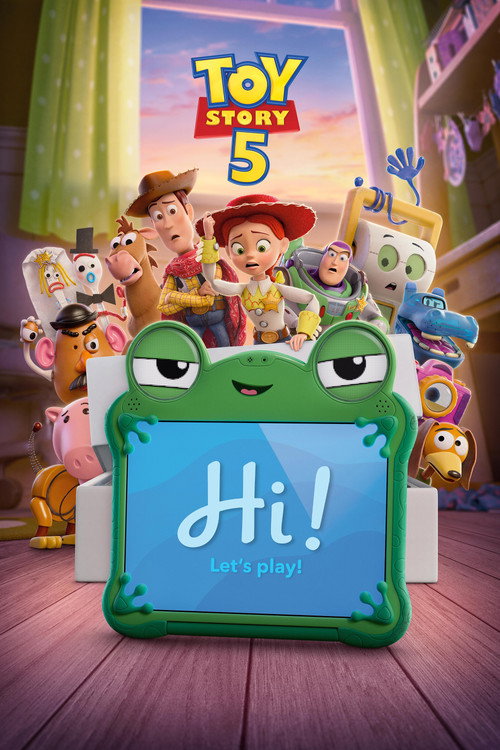
 United States