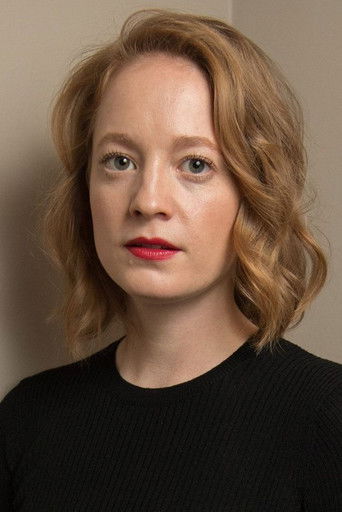
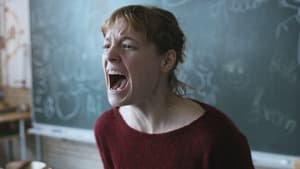
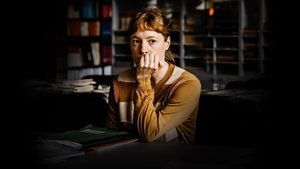
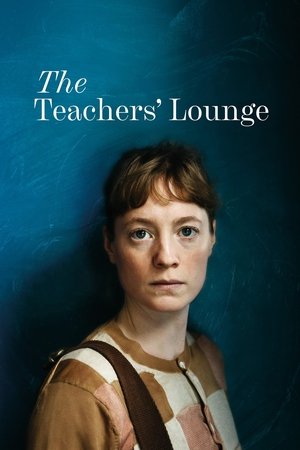
By nature of how many people are involved in them, schools are a hub for the communities that they are a part of. Students, faculty, staff, and parents all move in an around them on a daily basis – so naturally, any sort of scandal on campus reverberates far and wide. The Teachers’ Lounge follows Carla Nowak (Leonie Benesch), a grade school teacher in Germany. When a series of petty thefts occur at the school, the situation is mishandled by administration and one of Carla’s students is accused of being responsible. When the student is cleared, Carla is unsatisfied with the administration’s response, so she takes matters into her own hands by secretly recording a section of the teachers’ lounge. She has every intention of catching the thief, but what she ends up getting on camera escalates the situation dramatically. With yet another mishandled meeting involving an indirect accusation, the problem grows exponentially and ends up ensnaring Carla, the faculty and staff, her students, and their parents in a prickly and precarious position.
Anyone who grew up in a small town (myself included – shoutout to Seekonk, Massachusetts) knows that for the most part, there are not typically major happenings occurring all that often. So, when something of interest does happen – say, a scandal at the local school – both the community response and one’s internal sense of proportion are outsized. This film leans into this dynamic, going so far as to remove any representation of Carla’s life outside of school; there is not a single scene that takes place off of the school campus. This is very, very smart. It keeps the pressure building on a situation that really needn’t be as dramatic as it is, and puts us in Carla’s mindset of feeling unable to escape the mounting professional and social pressures of her position. She wants to protect her students, but she wants to be honest with them; she wants to bring the thief to justice, but she doesn’t want to ruin someone’s career unnecessarily; and she simply wants to do her job and teach her students, but she is consistently held up by nosy faculty, inept administration, and a nastily efficient rumor mill.
This film also wields the power of uncertainty with a masterful hand. For everything that we are sure to be fact in this movie, there are multiple decisions, emotions, and conversations based on assumption, guesswork, and rumor. Putting us in Carla’s shoes once again, the filmmakers use this haze of ambiguity to drop our hearts into our stomachs when she is questioned by her students in class, or by parents on open house night – Carla doesn’t know what to say, and we don’t know how to help her. Her decision to make the recording was morally ambivalent and potentially illegal; does that now make her the one on trial, given the strict ethical guidelines teachers are held to? Does the community even care about who the thief was any more, or is all of the interest merely in the social drama? All the while, Carla valiantly holds fast to her devotion to her students, refusing to give up on finding a behavioral diversion from long-lasting consequences for one boy in particular, even when it lands her with a black eye.
The Teachers’ Lounge is an compelling look at the social, political, and systemic dynamics of a small community school. Much like in life, the collective adult focus veers from the court of law to the court of public opinion, while the students gather under the flag of one child with a vendetta. The film starts slow, but just like a real community scandal, when it picks up steam, it grows into something completely different and altogether engrossing.

 Plex
Plex  Kodi
Kodi  Stremio
  Jellyfin
  Netflix
  Disney+
  Prime Video
  HBO Max
  Trakt
Trakt  TMDB
TMDB  Letterboxd
  IMDb
IMDb  Simkl
Simkl  TVTime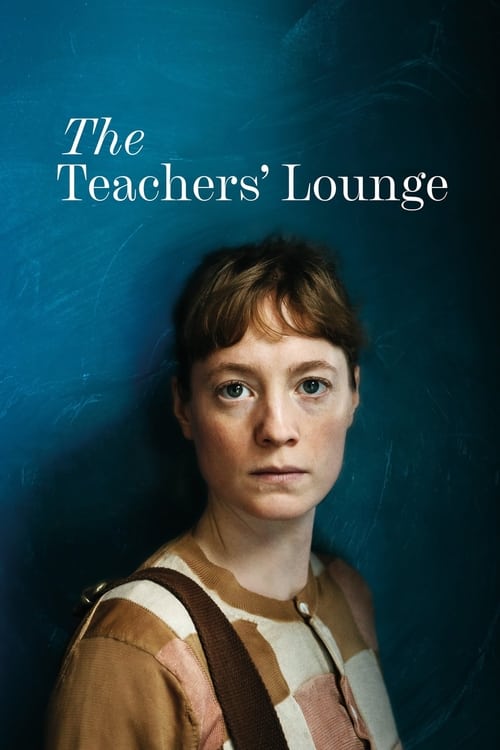
 Germany