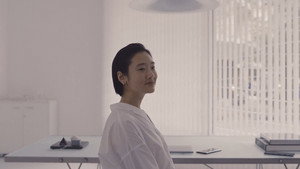
This film is truly something special. From the unique 3:4 aspect ratio that gives it an intimate, almost claustrophobic feel, to the deeply personal story about letting go, Happy Old Year delivers an emotional experience that lingers long after the credits roll.
At its core, the film isn’t just about decluttering—it’s about confronting the past. Jean starts out thinking she can simply get rid of things and move on, but she quickly realizes that objects hold memories, and returning them means reopening wounds she thought had healed. The moment she reunites with her ex-boyfriend Aim is heartbreaking. Watching her walk away afterward, feeling both sadness and relief, hit me hard. And Aim… his story hurt the most. Losing his mother and then having to face Jean again—it was too much. He deserved closure, but Jean’s apology felt too little, too late.
Then there’s Mi—her breakup with Aim took me by surprise. But as the story unfolded, I understood why. Jean, in her desperation to move forward, ended up being selfish, dumping all her unresolved emotions onto Aim without considering how much pain she had already caused. That realization hit like a punch to the gut.
The final scene was incredibly powerful. You can see it in Jean’s eyes—she hasn’t fully moved on. And that’s the reality of life; letting go isn’t a clean, instant process. Some things take time, and sometimes, closure never comes the way we expect.
Overall, Happy Old Year is a beautifully crafted film that explores the weight of nostalgia, the complexity of closure, and the painful yet necessary process of moving on. It’s raw, real, and emotionally devastating in the best way possible.
This film is truly something special. From the unique 3:4 aspect ratio that gives it an intimate, almost claustrophobic feel, to the deeply personal story about letting go, Happy Old Year delivers an emotional experience that lingers long after the credits roll.
At its core, the film isn’t just about decluttering—it’s about confronting the past. Jean starts out thinking she can simply get rid of things and move on, but she quickly realizes that objects hold memories, and returning them means reopening wounds she thought had healed. The moment she reunites with her ex-boyfriend Aim is heartbreaking. Watching her walk away afterward, feeling both sadness and relief, hit me hard. And Aim… his story hurt the most. Losing his mother and then having to face Jean again—it was too much. He deserved closure, but Jean’s apology felt too little, too late.
Then there’s Mi—her breakup with Aim took me by surprise. But as the story unfolded, I understood why. Jean, in her desperation to move forward, ended up being selfish, dumping all her unresolved emotions onto Aim without considering how much pain she had already caused. That realization hit like a punch to the gut.
The final scene was incredibly powerful. You can see it in Jean’s eyes—she hasn’t fully moved on. And that’s the reality of life; letting go isn’t a clean, instant process. Some things take time, and sometimes, closure never comes the way we expect.
Overall, Happy Old Year is a beautifully crafted film that explores the weight of nostalgia, the complexity of closure, and the painful yet necessary process of moving on. It’s raw, real, and emotionally devastating in the best way possible.

 Plex
Plex  Kodi
Kodi  Stremio
  Jellyfin
  Netflix
  Disney+
  Prime Video
  HBO Max
  Trakt
Trakt  TMDB
TMDB  Letterboxd
  IMDb
IMDb  Simkl
Simkl  TVTime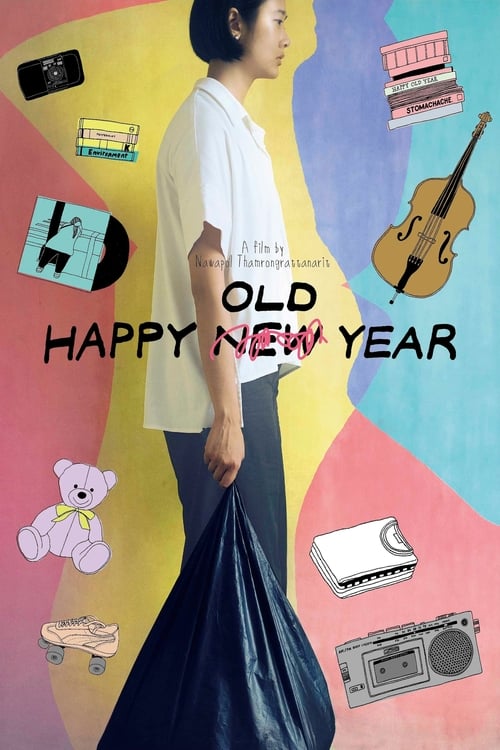
 Thailand